The Ultimate Reseller's Guide to Vintage Snapback Hats: Authenticity, Pricing & Profit

The world of vintage snapback hats is a thriving, lucrative niche for e-commerce resellers. From iconic sports logos to nostalgic pop culture references, these hats are more than just headwear – they're wearable pieces of history, highly sought after by collectors and fashion enthusiasts alike. As an expert SEO copywriter and seasoned e-commerce reseller, I'm here to equip you with the knowledge to identify, acquire, and profit from the vibrant vintage snapback market. This comprehensive guide will walk you through every critical step, ensuring you turn those dusty finds into substantial income.
The Enduring Appeal of Vintage Snapback Hats
Vintage snapbacks evoke a powerful sense of nostalgia, primarily from the 1980s, 90s, and early 2000s. Brands like Starter, Sports Specialties, Logo Athletic, and Apex One dominated the scene, producing hats that became cultural touchstones. Their appeal lies in their unique designs, often featuring bold embroidery, specific era-dependent logos (like classic NBA or MLB designs), and a quality that often surpasses modern counterparts. Collectors chase specific teams, rare collaborations, and even specific colorways or internal tag variations. Understanding these nuances is key to unlocking maximum profit.
1. Identifying Authentic Items and Valuable Variations
Authentication is paramount when dealing with vintage goods. The market is ripe with fakes, and understanding the hallmarks of genuine vintage snapbacks will protect your reputation and your wallet.
Key Brands to Look For:
- Sports Specialties: Often considered the holy grail of vintage snapbacks. Look for "The Cord," "The Block," "The Logo," and "The Script" styles. Their green undervisors are highly desirable.
- Starter: Famous for their iconic "star" logo on the back and high-quality embroidery. Many rare Starter hats command significant prices.
- Logo Athletic: Known for their "Diamond Collection" and unique designs, often featuring oversized logos.
- Apex One & Pro Player: Also produced quality licensed sports apparel in the same era.
- The Game: Another reputable brand from the era, though generally less sought after than Starter or Sports Specialties unless it's a rare design.
Authentication Markers and Valuable Variations:
- Internal Tags: This is your first line of defense.
- Brand Tags: Familiarize yourself with the specific fonts, logos, and stitching patterns of authentic tags for each brand (e.g., Starter's blue/white tag, Sports Specialties' classic black/yellow tag). Fakes often have blurry printing, incorrect fonts, or poor stitching.
- Care Tags: Look for "Made in USA" labels, particularly for earlier vintage pieces. Later vintage hats might be made in Korea, Taiwan, or other countries, which is also authentic for those eras.
- Material Composition: Tags should list materials like wool, acrylic, cotton.
- Copyright/Licensing: Often, licensed sports hats will have copyright info from the league (e.g., NBA, MLB) on the tags.
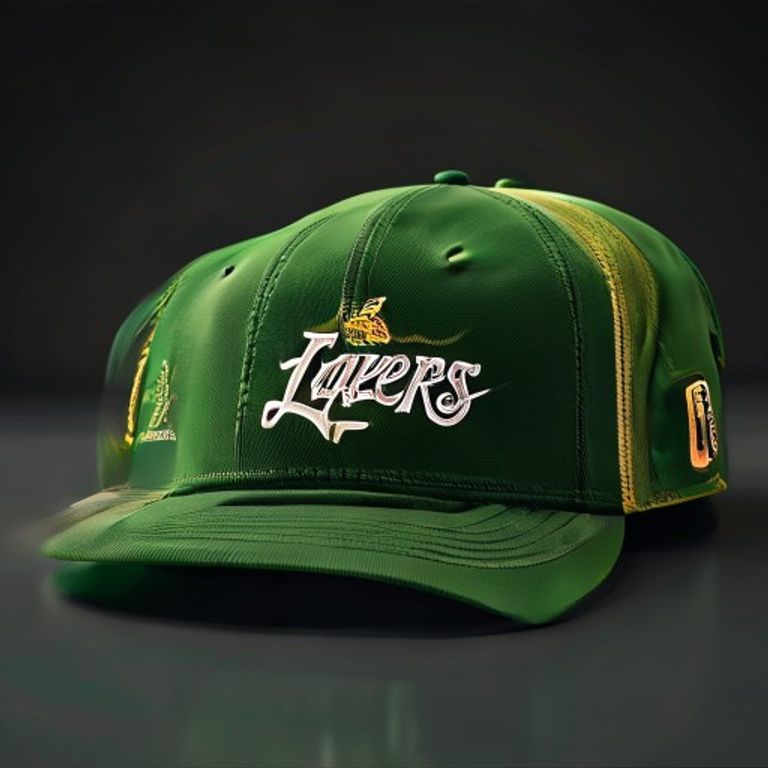
- Undervisor Color (Green Undervisor): This is a major value indicator. Many highly desirable vintage snapbacks, especially from Sports Specialties and Starter, feature a green fabric under the brim. This signifies an older, more collectible piece. While not all vintage hats have it, its presence often elevates value.
- Embroidery Quality: Vintage snapbacks from top brands boast thick, dense, high-quality embroidery. Look for clean lines, no loose threads, and well-defined logos. Fakes often have thin, sparse, or messy stitching.
- Snapback Closure: Examine the plastic snap closure. Older snaps are often sturdier and less brittle than modern or fake ones. Some vintage snaps might have brand logos molded into them.
- Brim Construction: The brim should feel solid and retain its shape. On older hats, the cardboard or plastic insert can sometimes warp or break, but the overall construction quality is key.
- Era-Specific Logos & Teams:
- Defunct Teams: Hats from teams that no longer exist (e.g., Seattle Supersonics, Houston Oilers) are highly collectible.
- Vintage Logos: Older versions of team logos (e.g., classic NBA Celtics logo, old MLB Twins logo) are often more desirable than current ones.
- Rare Collaborations/Promotional Items: Keep an eye out for hats tied to specific events, movies, or limited releases.
- Material and Feel: Genuine vintage hats often have a heavier, more substantial feel compared to flimsy reproductions. Wool blends are common for older pieces.
2. Checking Condition and Common Flaws
Condition is king for vintage items. Even the rarest hat will see its value plummet if it's in poor shape. Thoroughly inspect every part of the hat.
Critical Areas to Inspect:
- Sweatband: This is the most common area for wear and discoloration. Look for:
- Sweat Stains/Yellowing: Dark, hardened, or yellowed areas indicate heavy use and can be difficult to fully remove.
- Discoloration: Fading or uneven color, particularly on lighter-colored sweatbands.
- Fraying/Holes: Minor fraying is common, but significant tears reduce value.
- Brim/Undervisor:
- Cracks/Bends: The cardboard or plastic insert in the brim can crack or warp over time. Gently feel the brim for stiffness and evenness.
- Delamination: The fabric covering the brim can start to separate from the inner core.
- Fading: Sun exposure can cause the brim fabric to fade, especially on darker colors.
- Stains: Oil marks or dirt on the brim's top or underside.
- Crown (Front Panels):
- Fading: Uneven color, especially if stored in direct sunlight.
- Moth Holes/Tears: Small holes, particularly on wool hats.
- Dents/Creases: Hats stored improperly can lose their shape.
- Pilling: On wool or acrylic blends.
- Snapback Closure:
- Brittleness/Cracks: Older plastic snaps can become brittle and break easily.
- Missing Teeth: Ensure all the "teeth" that click into place are intact.
- Discoloration: Yellowing on white or clear snaps.
- Embroidery:
- Loose Threads: Minor loose threads can often be trimmed.
- Damage/Pulls: Missing stitches or snags.
- Fading: The color of the thread itself can fade.
- Odor: This is a silent killer. Musty, smoky, or strong storage odors are very difficult to remove and significantly impact salability. Always perform a sniff test!
Condition Grading (for your own reference and listings):
- Deadstock/New Old Stock (NOS): Brand new, unworn, often with original tags. Commands the highest prices.
- Mint/Excellent: Worn once or twice, almost no signs of wear.
- Great/Very Good: Light wear, minor flaws (e.g., slight sweatband discoloration).
- Good: Moderate wear, noticeable flaws (e.g., some sweatband staining, minor brim crease).
- Fair/Poor: Significant flaws, likely for restoration or a very low price.
When listing, always be transparent and provide clear photos of any flaws, no matter how small.
3. Pricing Strategies (eBay Sold Comps, Current Market Value)
Pricing vintage snapbacks can be a delicate art. Price too high, and it sits. Price too low, and you leave money on the table. Your best friend here is data.
Leveraging eBay Sold Comparables (Comps):
- Go to eBay: Search for the exact hat you have (e.g., "Vintage Starter Lakers Snapback Green Undervisor").
- Filter by "Sold Items" and "Completed Items": This is crucial. It shows you what people actually paid for similar hats, not just what sellers asked.
- Analyze Results:
- Match Exactly: Look for identical brands, teams, logos, and key features (like the green undervisor).
- Compare Condition: This is paramount. A Deadstock hat will sell for significantly more than one with heavy sweat stains.
- Note Date of Sale: Recent sales are more indicative of current market value.
- Observe Trends: Is a particular style gaining or losing popularity?
- Average & Adjust: Take an average of similar sold items, then adjust based on your hat's specific condition and any unique features.
Current Market Value and Listing Strategies:
- Competitive Listing: Once you have your comp data, price competitively. If your hat is in slightly better condition than recent sales, you might go a little higher. If it has more flaws, price accordingly lower.
- "Buy It Now" vs. Auction:
- Buy It Now (BIN): Best for most snapbacks. Allows you to set your price. Consider "Best Offer" to allow negotiation.
- Auction: Only recommended for truly rare, high-demand "grail" items that you're confident will generate a bidding war. Start low to attract bidders, but ensure you have a minimum you're comfortable with.
- Platform Specifics: Pricing might vary slightly across platforms due to different user bases and fee structures (e.g., Poshmark users might expect slightly higher prices due to the fashion-forward audience, Mercari might be slightly lower due to its general marketplace feel).
- Consider Your Cost of Goods (COG): Always factor in what you paid for the hat, plus fees and shipping costs, to ensure you're making a profit.
- Testing the Market: If you have a unique or hard-to-price item, you might list it slightly higher initially, and if it doesn't sell after a few weeks, revise the price.
 `
`
4. Best Platforms to Sell It On and Shipping Tips
Choosing the right platform and mastering shipping are crucial for a successful reseller.
Best Platforms:
- eBay: The undisputed king for vintage collectibles.
- Pros: Largest audience, best for high-value and rare items, robust search functionality for buyers.
- Cons: Higher fees (typically 12.9% + $0.30 final value fee on average), requires detailed listings.
- Best For: All vintage snapbacks, especially those worth $50+.
- Poshmark: A fashion-focused social marketplace.
- Pros: Easy listing process, built-in audience for fashion, social sharing features.
- Cons: Higher fees (20% for sales over $15, flat $2.95 for sales under $15), shipping is flat rate for items up to 5 lbs (can be expensive for lighter items, but simple for the seller).
- Best For: Mid-range vintage snapbacks ($20-$75) with a strong fashion appeal.
- Mercari: A general marketplace, good for a variety of items.
- Pros: Lower fees (10% + processing fee), simple listing, option for seller-paid or buyer-paid shipping.
- Cons: Smaller audience than eBay, less focus on collectibles.
- Best For: Entry-level or lower-value vintage snapbacks ($15-$40).
- Instagram/Facebook Groups: Niche communities for serious collectors.
- Pros: Direct access to passionate buyers, often higher prices (no platform fees if handled privately).
- Cons: Requires building a following, higher risk of scams/chargebacks, payment processing can be more complex (PayPal Goods & Services is recommended for protection).
- Best For: Ultra-rare, high-value "grail" items or selling in bulk to other resellers.
Essential Shipping Tips for Snapbacks:
The goal is to get the hat to your buyer in the exact condition it left your hands. Hats are fragile and can easily be crushed.
- Packaging is Key (Use a Box!):
- NEVER ship a snapback in a poly mailer or bubble mailer alone. It will get crushed, and you'll face a return or negative feedback.
- Use a sturdy cardboard box. A 6x6x6 inch box is often ideal for a single hat. For multiple hats, you might need a slightly larger box.
- Stuff the Crown: Gently stuff the inside of the hat's crown with acid-free tissue paper, crumpled newspaper, or even a small inflatable hat shaper to help it maintain its shape during transit. This is a critical step!
- Protect the Brim: Ensure the brim doesn't get bent. Place it firmly in the box so it doesn't shift excessively.
- Seal it Well: Use good quality packing tape to seal all seams.
- 📦 Premium Hat Shaper Inserts (Multi-Pack) - Essential for maintaining hat shape during shipping and storage, especially for valuable vintage pieces.
- Weigh and Measure Accurately:
- Use a shipping scale to get an accurate weight of the hat and packaging.
- Measure the box dimensions (length x width x height).
- Inaccurate measurements can lead to additional charges or delays.
- Shipping Services:
- USPS First Class Package (for items under 1 lb): This is your most economical option for a single snapback. Most hats in a 6x6x6 box will be under 16 oz (1 lb).
- USPS Priority Mail: Use for heavier hats, faster delivery, or if First Class isn't an option. Priority Mail boxes are often free from USPS.
- Insurance: Consider adding insurance for higher-value hats ($75+). It's a small cost for peace of mind.
- Tracking: Always use tracking. It protects both you and the buyer.
- Clear Labeling: Print a professional, clear shipping label. Double-check the address.
- Processing Time: Aim to ship within 1-2 business days. Prompt shipping leads to happy buyers and positive feedback.
By diligently following this guide, you'll be well on your way to becoming a trusted and profitable reseller of vintage snapback hats. The market is out there, waiting for your discerning eye and careful execution. Happy hunting, and even happier selling!