Shedding Light on Value: Reselling Vintage Stained & Slag Glass Lamps

The Lure of Leaded Glass
Vintage lighting is a massive category for resellers, but few niches offer the sheer profit potential—and the heart-stopping fragility—of stained glass and slag glass lamps. From intricate, multi-colored floral patterns to sweeping, marbled "slag" panels, these lamps are highly sought after by collectors and interior designers alike.
However, the market is flooded with cheap modern reproductions. The key to success is knowing how to spot the genuine articles and, crucially, how to get them to the buyer in one piece.
Slag Glass vs. Stained Glass
First, it's important to understand the terminology:
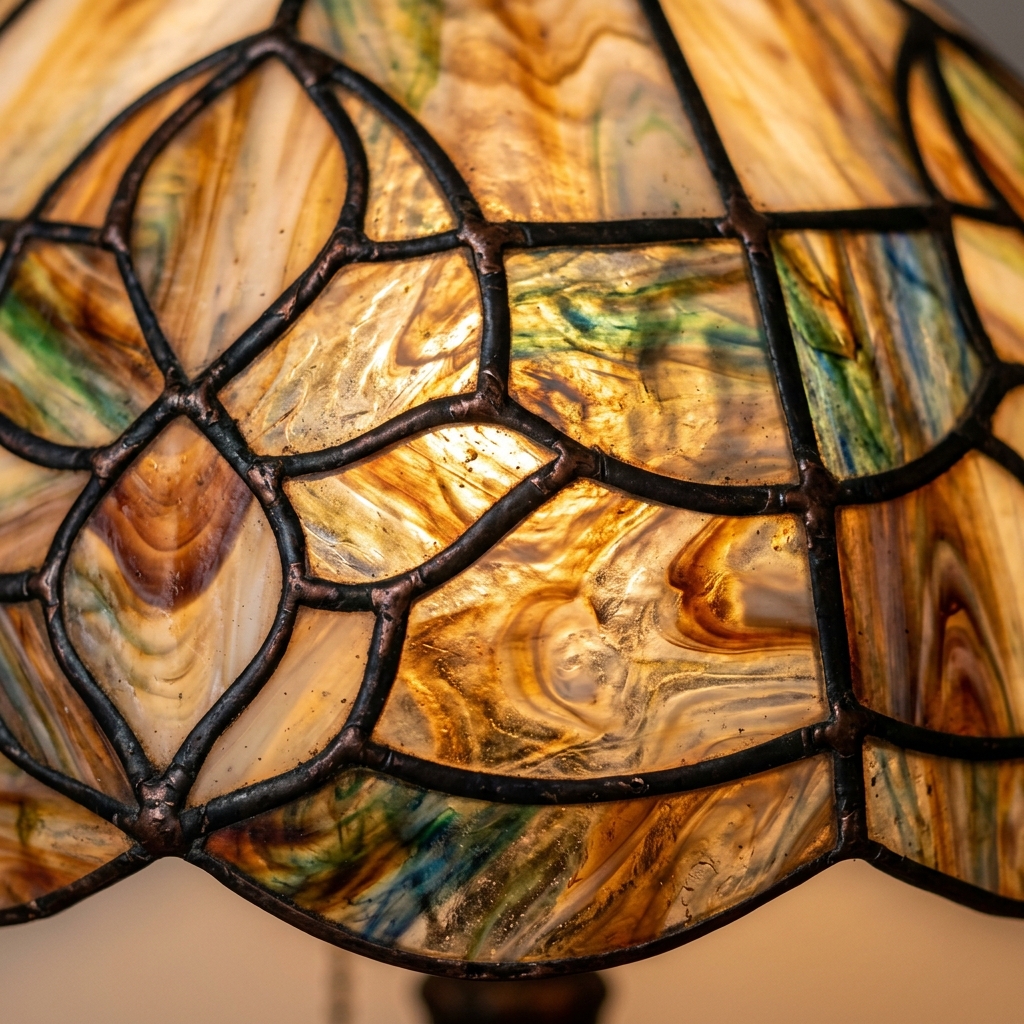
- Stained Glass (Leaded Glass): This refers to lampshades made from hundreds of small, individually cut pieces of colored glass, joined together using copper foil and solder (the "Tiffany method") or lead came. They often feature intricate floral, geometric, or dragonfly patterns.
- Slag Glass: Slag glass is an opaque, streaked, or marbled glass (often in shades of caramel, green, or blue). Slag glass lamps usually feature a heavy, ornate cast metal frame (often spelter or bronze) with large, curved panels of slag glass inserted behind the metalwork. These were immensely popular from the early 1900s through the 1920s.
Identifying Quality and Authenticity
If you spot a colorful glass lamp at an estate sale, here is how to determine if you've struck gold or found a cheap 1990s knockoff.
1. The "Tap Test" (Is it Plastic?)
Modern, cheap reproductions often use colored plastic or acrylic resin instead of real glass. Gently tap the "glass" panels with a coin or your fingernail. Real glass will have a sharp, cold, resonant "clink." Plastic will sound dull and hollow.
2. Inspect the Solder Lines
Look closely at the dark lines joining the glass pieces on a stained glass lamp.
- Vintage/High Quality: The solder lines will be slightly irregular, showing the hand-crafted nature of the piece. The patina on the solder will often be a dark, rich gray or brown.
- Cheap Reproduction: The lines will look perfectly uniform, thick, and sometimes even appear painted on.
3. Examine the Base
The base of the lamp is just as important as the shade.
- High Value: Authentic antique bases are usually heavy and made of solid bronze or cast brass. They will have intricate, sharp detailing and a natural patina (darkening/oxidation) that comes with age.
- Low Value: Modern bases are often made of lightweight "pot metal" or resin painted to look like bronze. If the base feels suspiciously light or the detailing looks "mushy," it's likely a reproduction.
4. Look for Maker's Marks
Always check the bottom of the base, the inside rim of the shade, and the lightbulb sockets for signatures or maker's marks.
- Tiffany Studios: The holy grail. Authentic Tiffany lamps will be marked "Tiffany Studios New York" on both the shade edge and the base. (Note: "Tiffany Style" just means it uses the leaded glass method; it is NOT made by Tiffany).
- Other High-End Makers: Look for names like Handel, Pairpoint, Wilkinson, or Miller. These can be worth hundreds or thousands of dollars.
Condition Issues to Watch For
With glass over a century old, condition is paramount.
- Cracked Panels: This is the most common issue. In a stained glass lamp with 500 pieces, 1 or 2 small hairline cracks might be acceptable. In a slag glass lamp with only 6 large panels, a cracked panel severely reduces the value.
- Bowed or Sagging Shades: Over time, the heavy leaded glass can cause the shade to warp or sag, compromising the structural integrity.
- Electrical Safety: Vintage cloth-wrapped wiring is a major fire hazard. 💡 Get Vintage-Style Cloth Covered Rewiring Kits on Amazon - If the original wiring is frayed, professionally rewiring the lamp (or paying a hardware store to do it) can significantly increase its resale value and safety.
The Terrifying Art of Shipping Glass Lamps
Shipping a fragile antique slag glass lamp is not for the faint of heart. If you cannot pack it properly, you must sell it "Local Pickup Only."
If you do ship it, you must follow the "Box-in-a-Box" method:
- Separate Base and Shade: Never ship the shade attached to the base.
- The Inner Box (Shade): Wrap the glass shade in multiple layers of bubble wrap. Place it in a box that is just large enough to hold it. Fill all empty space inside the box (and inside the hollow dome of the shade) with packing peanuts or crumpled paper so the shade cannot move an inch.
- The Outer Box: Place that inner box into a second, larger outer box. There must be at least 3 to 4 inches of space between the inner box and the outer box on all sides (top, bottom, left, right). Fill this entire 4-inch gap with dense packing peanuts or rigid foam board.
- The Base: The heavy metal base should be wrapped heavily and shipped in its own completely separate box. If you put a 15lb bronze base in the same box as a fragile glass shade, the base will act as a wrecking ball during transit and destroy the glass.
- Insurance: Always, always fully insure the package.
By learning to distinguish quality craftsmanship from cheap reproductions and mastering the art of secure packing, you can confidently tap into the highly profitable world of vintage glass lighting.