The Ultimate Guide to Reselling Vintage Polaroid Cameras: Testing, Pricing & Profit

Few things evoke the magic of the 80s and 90s quite like a vintage Polaroid camera. Thanks to the resurgence of analog photography and the revival of Polaroid film production, these iconic instant cameras have transformed from thrift store junk into highly profitable resale items.
But not all Polaroids are created equal. Some are worth $5, while others can easily fetch $150 to $300+. This expert guide will teach you how to identify the hidden gems, properly test them in the thrift store without wasting expensive film, and price them for maximum profit.
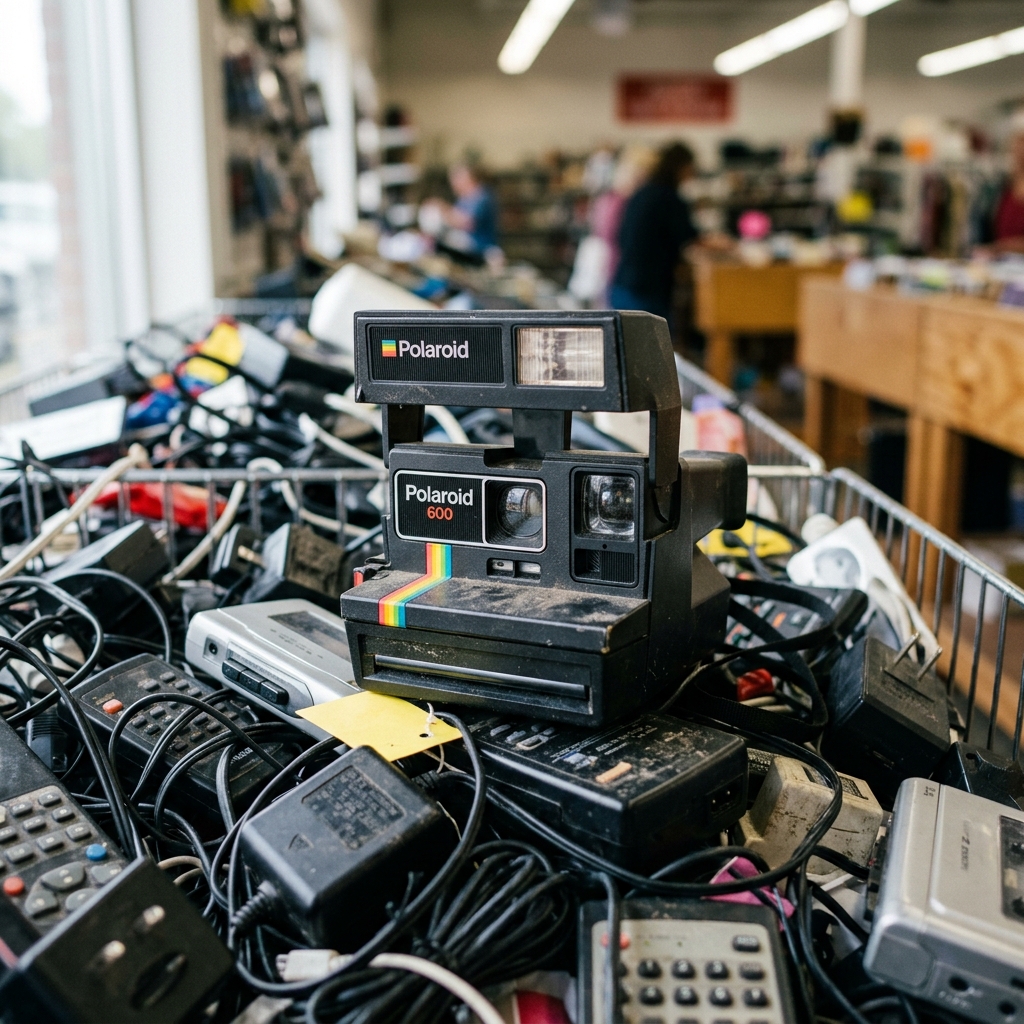
1. Identifying the "Gold Mine" Models
When you spot a Polaroid at a garage sale or thrift store, the first thing you need to do is identify the series. The market is broadly divided into three main categories.
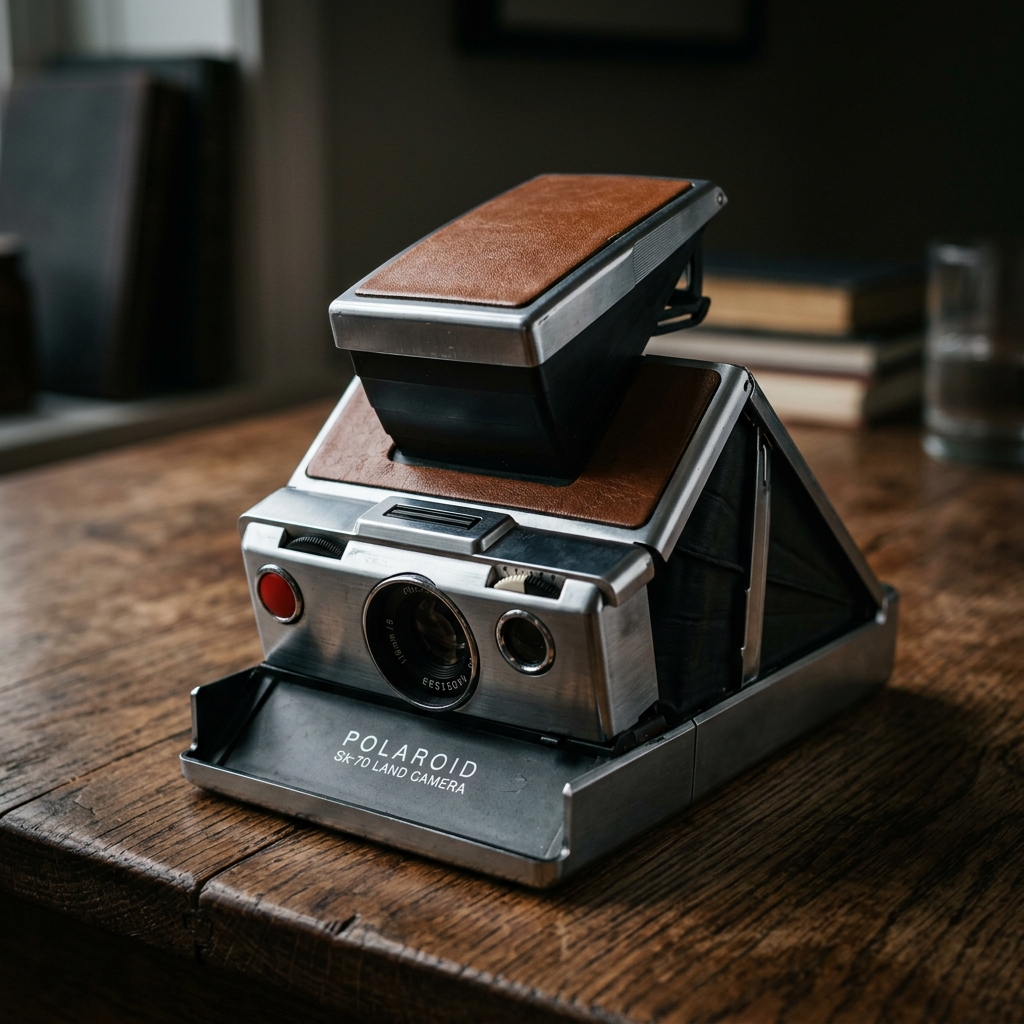
Tier 1: The Holy Grails (SX-70 Folding Cameras)
If you see a folding Polaroid that looks like it's covered in leather and chrome, buy it immediately.
- The Original SX-70 Land Camera: These are the pinnacle of Polaroid engineering. They fold completely flat, have glass lenses, and offer manual focus. An untested one can sell for $100, while a tested, working one with clean leather can easily break $250.
- SLR 680 / SLR 690: These look similar to the SX-70 but have built-in flashes and sonar autofocus. They are considered the best Polaroids ever made and routinely sell for $300 to $500.
Tier 2: The Reliable Breadwinners (600 Series)
These are the classic boxy plastic cameras everyone remembers from the 1990s.
- Sun 660 Autofocus: Recognizable by the gold circular "sonar" grill on the front. These are highly desirable because they take incredibly sharp photos. Expect to sell these for $40 to $70.
- Special Editions & Cool Colors: The standard dark gray/black models (like the OneStep Flash or Sun 600 LMS) are common and usually sell for $20-$35. However, if you find one in bright colors (like the "Cool Cam" series in pink/gray or red/black), or special editions (like the Tazmanian Devil or Spice Girls cameras), the value jumps significantly ($60-$150).
Tier 3: Leave It On The Shelf (Unless It's $1)
- Early SX-70 Box Cameras (OneStep with the Rainbow Stripe): While iconic, the early boxy white OneSteps do not have a built-in flash. Without a flash, they are notoriously difficult to shoot with indoors, making them less desirable for modern users. They usually only fetch $10-$15 as display pieces.
- JoyCam / Captiva / i-Zone: These cameras take film formats that are no longer manufactured. They are essentially useless paperweights today. Leave them.
2. The Thrift Store "Dry Test" Protocol
The biggest mistake new resellers make is selling Polaroids as "Untested." You will leave 50% of the profit on the table. Buyers want to know it works.
The Secret: The battery for a vintage Polaroid is inside the film cartridge, not the camera.
To test a camera, you need an empty film cartridge with a good battery.
How to Build Your Testing Kit:
- Buy a pack of fresh Polaroid 600 Film. 📦 Buy Polaroid 600 Film on Amazon
- Shoot all the photos for yourself (or carefully extract them in a darkroom).
- Keep the empty plastic cartridge! The battery inside still has plenty of juice to test dozens of cameras.
How to Test in the Store:
- Open the film door on the camera you want to buy.
- Slide your empty test cartridge in until it clicks.
- Close the door. The camera should instantly whir and spit out the black cardboard "darkslide" (if you put one back in), or simply cycle the motor.
- Press the shutter button. You should hear the distinct mechanical clack of the shutter, and if it has a flash, the flash should fire (you may need to wait 5 seconds for the red light to turn green indicating the flash is charged).
- Crucial Step: Check the rollers. Open the film door and look at the two metal rollers where the film ejects. Are they caked with dried white chemical paste? This will ruin photos. If they are dirty, don't worry—it's easily cleaned, but you must clean them before selling.
3. Cleaning and Preparing for Sale
A clean camera sells for more and reduces returns.
- Clean the Rollers: Use a Q-tip or a microfiber cloth lightly dampened with water or rubbing alcohol to scrub the metal rollers until they shine. Rotate them to get all sides.
- Clean the Lens and Viewfinder: Use a high-quality microfiber cleaning cloth to gently wipe away dust and fingerprints. Never use harsh chemicals on the plastic lenses. 📦 Buy Microfiber Cleaning Cloths on Amazon
- Wipe the Body: A Clorox wipe or a damp cloth is all you need for the plastic exterior.
4. Pricing and Listing Strategy
When listing on eBay, your title must be keyword-rich and explicitly state that the camera is tested.
- Good Title:
Vintage Polaroid Sun 660 Autofocus Instant Film Camera - Tested & Working - Bad Title:
Old Polaroid Camera
Photography Tips:
- Take a clear photo of the front with the flash popped up.
- Take a photo of the clean rollers inside the film door.
- If you have a test photo you took with the camera, include it in the listing! "Tested with film" is the absolute highest tier of verification and commands top dollar.
Conclusion
Vintage Polaroids are a staple of the reselling game. By learning to differentiate between the $10 shelf-sitters and the $100 gems, and by investing $20 in a pack of film to create a permanent testing cartridge, you can consistently flip these nostalgic icons for massive margins. Keep your eyes peeled for that iconic rainbow stripe, and happy hunting!