Mastering the Art of Reselling Vintage Pocket Watches: Your Expert Guide to Profit

The allure of vintage pocket watches is undeniable. These miniature marvels of engineering and artistry are more than just time-telling devices; they are tangible pieces of history, craftsmanship, and personal style. For the astute e-commerce reseller, the market for vintage pocket watches offers a fascinating and often lucrative niche. With the right knowledge and strategies, you can transform these timeless treasures into significant profits.
This comprehensive guide will equip you with the expert insights needed to navigate the world of vintage pocket watch reselling, from identifying genuine articles to shipping them safely to their new owners.
The Allure of Vintage Pocket Watches: Why Resell Them?
Vintage pocket watches hold a special place in the hearts of collectors, enthusiasts, and fashion-forward individuals alike. Their appeal stems from several factors:
- Historical Significance: Many watches date back to pivotal historical periods, offering a glimpse into past technologies and lifestyles.
- Exquisite Craftsmanship: Before mass production, watches were often meticulously hand-assembled by skilled artisans, featuring intricate movements, beautiful engravings, and high-quality materials.
- Unique Style: Unlike modern wristwatches, pocket watches offer a distinct, elegant aesthetic that can complement vintage fashion or serve as a unique statement piece.
- Investment Potential: Rare or exceptionally well-preserved examples can appreciate in value, making them attractive to collectors.
- Growing Demand: As interest in sustainable fashion and unique, heirloom-quality items increases, so does the demand for authentic vintage pieces.
Identifying Authentic Vintage Pocket Watches & Valuable Variations
The first and arguably most critical step in reselling vintage pocket watches is accurate identification and authentication. Misidentifying a watch can lead to significant financial loss or, conversely, overlooking a hidden gem.
Key Authentication Factors
When you acquire a vintage pocket watch, think like a detective. Every detail tells a story.
-
The Movement (The Heart of the Watch):
- Maker's Mark: Open the back cover (carefully!) to reveal the movement. Look for the manufacturer's name (e.g., Elgin, Waltham, Hamilton, Illinois, Patek Philippe, Vacheron Constantin).
- Jewel Count: The number of jewels (synthetic rubies) indicates the quality and durability of the movement. Higher jewel counts (15, 17, 21, 23) generally signify a better-grade watch.
- Serial Number: Every movement has a serial number. This is crucial for dating the watch. Websites like "Pocket Watch Database" allow you to enter serial numbers and discover the watch's exact year of manufacture and production run details.
- Grade/Model Name: Many movements also have a specific grade or model name stamped on them (e.g., "B.W. Raymond," "Vanguard"). Researching these grades helps determine the original quality tier.
- Functionality: Is it a simple time-only movement, or does it feature complications like a chronograph (stopwatch), minute repeater (chimes the time), or perpetual calendar? Complications significantly increase value.
-
The Case (The Body of the Watch):
- Material:
- Gold (Solid): Look for karat stamps (10K, 14K, 18K). This is the most valuable material.
- Gold-Filled/Rolled Gold Plate: A layer of gold bonded to a base metal. It's more durable than plating but less valuable than solid gold. Often marked "GF," "R.G.P.," or a specific warranty (e.g., "20 Year Guaranteed").
- Silver: Sterling silver (925), coin silver (900), or other silver alloys. Look for hallmarks.
- Base Metal: Nickel, chrome, brass. These are the least valuable materials.
- Case Maker: Sometimes the case maker is different from the movement maker (e.g., "Keystone," "Wadsworth"). Their names are often stamped inside the case back.
- Serial Number: Cases also have serial numbers, sometimes matching the movement (original married case) or distinct. Dating the case separately can provide more context.
- Engravings: Personal engravings can detract slightly from value for some collectors, but sometimes they add character or historical interest.
- Material:
-
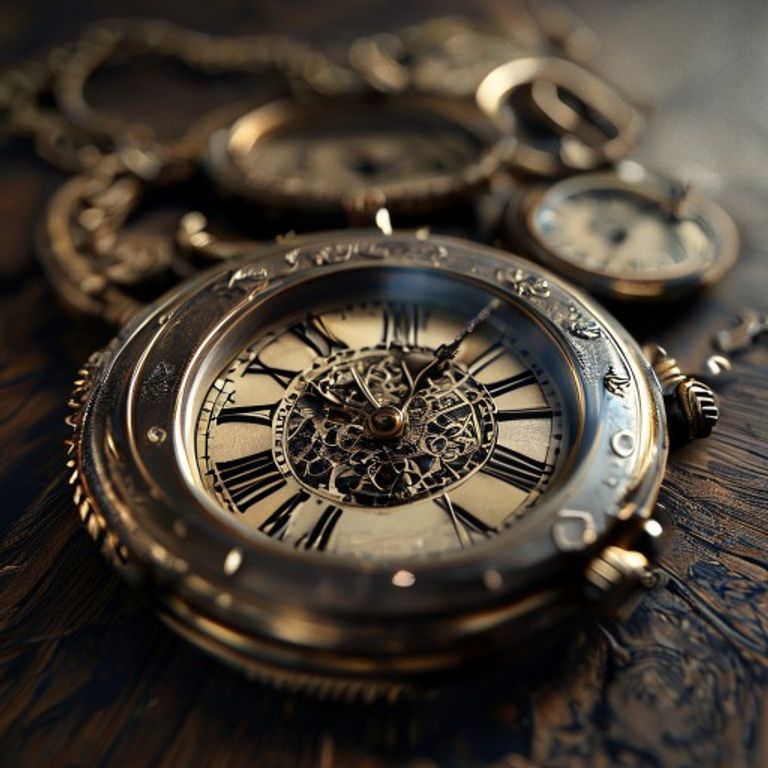
The Dial (The Face of the Watch):
- Material: Most vintage dials are porcelain/enamel or metal. Porcelain dials are highly desirable when intact.
- Signature: Does the dial bear the watch manufacturer's name? Is it original?
- Numerals: Roman numerals, Arabic numerals, fancy fonts – all contribute to its aesthetic and originality.
- Condition: Check for hairlines, chips (especially on porcelain), cracks, or significant discoloration.
-
The Hands: Correct hands for the era and model are important for originality. Look for blued steel, gold, or other materials.
-
The Crystal: Is it original glass (mineral or acrylic) or a replacement? Glass is preferred.
Spotting Valuable Variations & Makers
Certain attributes and brands command higher prices:
- Prestigious Brands: Patek Philippe, Vacheron Constantin, Audemars Piguet, Breguet, IWC, LeCoultre, Ulysse Nardin. Even American makers like Hamilton, Elgin, and Waltham produced very high-grade models.
- Railroad Grade Watches: These were built to extremely high standards of accuracy and durability for railroad personnel. They are highly collectible and often marked "Railroad Standard" or a specific grade number associated with railroad specifications. They typically have 17+ jewels, micrometer regulators, and sometimes specific dial layouts (e.g., Arabic numerals, outer minute track).
- Complications: Any function beyond telling time (chronograph, minute repeater, perpetual calendar, moon phase, power reserve indicator) dramatically increases value.
- High Jewel Counts: Watches with 21 or 23 jewels indicate top-tier movements.
- Solid Gold Cases: Especially 14K or 18K.
- Unique Dials: Military dials, fancy hand-painted dials, or unusual configurations.
- Original Box and Papers: While rare, having the original presentation box, warranty card, or service records significantly boosts value.
Checking Condition and Common Flaws
The condition of a vintage pocket watch directly impacts its market value. A thorough inspection is paramount before listing.
Movement Assessment
- Is it Running? The most fundamental question. Gently shake it or try to wind it. If it’s not running, it’s a "parts or repair" watch, which significantly lowers value unless it’s a rare, high-grade piece.
- How Well Does It Run? If running, does it keep time accurately? Does it stop and start? A watch that runs but loses or gains significant time will need service.
- Winding and Setting: Does the crown wind smoothly? Does pulling out the crown (or pressing a lever-set button) allow the hands to set properly?
- Cleanliness & Damage: Inspect for rust, corrosion, broken balance staff (a common issue preventing a watch from running), missing screws, or previous repair attempts. A dirty movement often indicates a need for service.
Case & Crystal Evaluation
- Dents, Scratches, Pitting: Minor surface scratches are common and acceptable for vintage. Deep dents or pitting (especially on gold-filled cases where the base metal shows through) reduce value.
- Hinge Integrity: Check the hinges on the front bezel, back cover, and any inner dust cover. Are they strong, or are they loose or broken?
- Bow Condition: The loop at the top where a chain attaches. Is it secure, bent, or worn through?
- Crystal: Look for chips, cracks, or deep scratches. Minor scuffs can often be polished out if it's acrylic.
Dial & Hands Inspection
- Porcelain Dials: These are prone to hairlines (tiny cracks), chips, or larger cracks. A perfect porcelain dial is rare and highly desirable. Even minor hairlines can reduce value, but sometimes buyers accept them as part of a watch's history.
- Metal Dials: Look for discoloration, flaking paint, rust spots, or signs of improper cleaning. Patina is natural aging; damage is not.
- Hands: Are they original? Are they bent, corroded, or missing? Correct, matching hands are important.
Opening the Watch Safely
You’ll need a specialized watch case knife (or a very thin, dull blade) to gently pry open the case back. Many snap-back cases have a small notch on the edge. Be extremely careful not to scratch the case or slip and injure yourself. Some watches (especially railroad grade) are "lever set," meaning a small lever must be pulled out near the bezel to set the time.
Strategic Pricing for Maximum Profit
Pricing your vintage pocket watch correctly is crucial for quick sales and maximizing profit. Undervaluing leaves money on the table; overvaluing leads to stagnant listings.
Leveraging eBay Sold Comps (The Gold Standard)
The most reliable method for pricing is to analyze "sold listings" on eBay.
- Search Specifics: Go to eBay and search for your watch's brand, model, size (e.g., 16-size), jewel count, and case material.
- Filter by "Sold Items": On the left sidebar (or under "Filters" on mobile), select "Sold Items." This shows what similar watches actually sold for, not just what people are asking.
- Analyze Multiple Comps: Don't rely on just one sale. Look at several listings for similar watches. Note the condition, whether they were running, any flaws, the quality of photos, and the final sale price.
- Adjust for Condition: If your watch is in better condition than the sold comps, you can price higher. If it has more flaws, adjust downwards.
- Running vs. Not Running: A running watch (especially one keeping good time) will always command a significantly higher price than a non-running one "for parts or repair."
Understanding Current Market Value & Trends
- Auction Houses: For very high-end or rare pieces, consulting auction house results (Sotheby's, Christie's, Phillips) can provide insights into top-tier values.
- Specialized Forums & Dealers: Browse watch forums (e.g., Watchuseek, TimeZone) or reputable vintage watch dealer websites to gauge general market sentiment and typical retail prices.
- Economic Factors: The general economy, collector trends, and specific brand popularity can influence prices. What's hot today might cool tomorrow.
Pricing for Different Scenarios
- "Running Strong" vs. "For Parts/Repair": Clearly differentiate. A running watch can often be listed at a Buy It Now (BIN) price with a Best Offer option. A non-running watch is often best for auction or a lower BIN price targeted at repair hobbyists.
- Buy It Now (BIN) vs. Auction:
- BIN: Good for watches with clear market value, allowing you to set your desired price. Always include a "Best Offer" option to encourage engagement.
- Auction: Can be effective for rare or highly desirable watches that might spark a bidding war, or for watches whose value is uncertain (start low to generate interest).
- Considering Fees: Always factor in platform fees (eBay, PayPal, Poshmark, etc.) when determining your desired net profit.
Best Platforms to Sell & Shipping Like a Pro
Once your watch is identified, assessed, and priced, choosing the right platform and ensuring safe shipping are your final steps to a successful sale.
Top E-commerce Platforms for Vintage Pocket Watches
-
eBay:
- Pros: Largest global audience, established marketplace for vintage goods, excellent for both auction and Buy It Now listings, strong buyer/seller protections.
- Cons: Higher fees, increased competition.
- Best For: All types of vintage pocket watches, from entry-level to high-value. Its "Sold Listings" feature also makes it ideal for pre-sale research.
-
Etsy:
- Pros: Niche platform for vintage and handmade items, attracts buyers specifically looking for unique, historical pieces. Visually appealing interface.
- Cons: Smaller audience than eBay, slightly different fee structure, may not be ideal for ultra high-value watches (though premium vintage can do well).
- Best For: Mid-range vintage pocket watches with strong aesthetic appeal, or those suitable as gifts.
-
Specialized Watch Forums/Marketplaces (e.g., Watchuseek, TimeZone, Reddit r/Watchexchange):
- Pros: Highly knowledgeable and passionate buyers, often lower fees than major platforms, potential for direct sales.
- Cons: Requires building a reputation, smaller buyer pool, less buyer protection than eBay.
- Best For: Higher-end, rare, or unique vintage pocket watches where buyers appreciate intricate details and provenance.
-
Poshmark/Mercari:
- Pros: Simple listing process, good for mobile selling.
- Cons: Primarily fashion-focused, less ideal for technical vintage items like watches, lower price ceiling for watches.
- Best For: Entry-level, less valuable "fashion" pocket watches, or watches with a strong decorative element.
Crafting Compelling Listings
Your listing is your storefront. Make it shine:
- High-Quality Photos:
- Use natural, even lighting.
- Take multiple photos from all angles (front, back, sides).
- Include macro shots of the dial, movement, and any distinguishing marks or flaws.
- Show the watch running if it is.
- Use a neutral background.
- Detailed, Accurate Descriptions:
- Keywords: Use relevant keywords in your title and description (e.g., "Vintage Elgin Pocket Watch 16-Size 17J Gold Filled Railroad Grade").
- Specifications: Movement maker, jewel count, serial number, case material, size (often in "lines" or millimeters), winding mechanism (stem-wind, key-wind, lever-set), dial type.
- Condition Report: Be brutally honest. List all flaws (dents, scratches, hairlines on dial, non-running movement, etc.).
- Running Status: Clearly state if the watch is running, keeping time (and how well), or if it's "for parts/repair."
- Disclosures: State that vintage watches often require professional cleaning or service for optimal performance. Manage buyer expectations.
Secure Shipping for Delicate Timepieces
Shipping delicate vintage pocket watches requires careful attention to detail to prevent damage during transit.
-
Packaging Materials:
- Sturdy Box: Use a new, appropriately sized corrugated cardboard box. For high-value items, double-boxing (a smaller box inside a larger one) adds an extra layer of protection.
- Bubble Wrap: Liberal use is key. Wrap the watch tightly in multiple layers of small bubble wrap. Secure with tape.
- 📦 Buy Pocket Watch Display Domes on Amazon
- Void Fill: Use crumpled paper, foam peanuts, or air pillows to fill any empty space in the box, preventing the watch from shifting.
- Moisture Protection: Place the bubble-wrapped watch in a sealed plastic baggie to protect against moisture exposure.
-
Shipping Services:
- Domestic (US): USPS Priority Mail is often a good balance of cost and speed, offering tracking and some included insurance. For very high-value items, USPS Registered Mail is incredibly secure (though slower) or use FedEx/UPS with their specific declared value services.
- International: USPS Priority Mail International or FedEx/UPS International. Research customs regulations and restrictions for the destination country.
-
Insurance & Tracking:
- Always Insure: Insure the package for the full sale value. This protects you against loss or damage during transit.
- Tracking: Always use a service with tracking so both you and the buyer can monitor the shipment's progress.
- Signature Confirmation: For items over a certain value (e.g., $250-$500), require signature confirmation upon delivery. This is a critical protection against "Item Not Received" claims.
-
Customs Declarations (International):
- Accurately describe the item (e.g., "Vintage Pocket Watch").
- Declare the actual sale value. Misrepresenting value to save on customs duties can lead to legal issues and insurance voidance.
Reselling vintage pocket watches is a rewarding endeavor that blends historical appreciation with e-commerce savvy. By diligently identifying authentic items, meticulously checking their condition, employing smart pricing strategies, and ensuring secure packaging and shipping, you can build a successful and profitable niche in the thriving market for these miniature masterpieces. Happy reselling!