Reselling Vintage Mid-Century Modern Lamps: Your Expert Guide to Profit

Welcome to the vibrant world of vintage Mid-Century Modern (MCM) lamps! As an expert e-commerce reseller and seasoned enthusiast, I can tell you that these iconic lighting pieces are not just decor; they are highly sought-after functional art, commanding excellent prices on the secondary market. From the sleek lines of Danish Modern designs to the Space Age whimsy of Sputnik chandeliers, MCM lamps continue to captivate collectors and design aficionados alike. This comprehensive guide will equip you with the knowledge and actionable strategies to confidently identify, value, and successfully resell these timeless treasures.
Unearthing Authenticity: Identifying Genuine MCM Lamps & Valuable Variations
The first step to profitable reselling is accurate identification. Knowing what makes an MCM lamp authentic and recognizing desirable variations is paramount.
Key Designers & Manufacturers
The MCM period (roughly 1945-1975) was a golden age for lighting design, with many influential names creating enduring pieces. Familiarize yourself with these pioneers:
- George Nelson: Known for his iconic bubble lamps (Howard Miller).
- Isamu Noguchi: Famous for his Akari paper lanterns.
- Arne Jacobsen / Poul Henningsen / Verner Panton: Danish masters, often associated with elegant, sculptural forms and diffused light.
- Gaetano Sciolari / Gino Sarfatti: Italian designers renowned for their Sputnik and intricate brass/chrome chandeliers.
- Laurel Lamp Company / Stiffel / Modeline / Dazor: American manufacturers that produced a wide range of popular and high-quality lamps.
- Eames Era: While not solely lamp designers, their aesthetic influenced many lighting pieces of the period.
- Arteluce / Stilnovo / Fontana Arte: Prestigious Italian brands.
Researching these names and their signature styles will give you a significant advantage. Even unmarked pieces can be attributed to a designer or style if you know the common characteristics.
Period-Specific Materials & Construction
MCM lamps are characterized by their innovative use of materials and distinctive construction methods:
- Wood: Teak, walnut, rosewood, and occasionally oak, often used for bases, stems, and accents. Look for clean, minimalist forms and quality joinery.
- Metals: Brass (polished, brushed, or patinated), chrome, polished aluminum, and occasionally copper. Finishes should be era-appropriate.
- Glass: Milk glass, frosted glass, art glass (like Murano), textured glass, and clear glass often in globe or cone shapes.
- Plastics/Acrylics: Lucite, Plexiglas, and fiberglass were revolutionary materials, used for shades, diffusers, and bases, often in vibrant colors or translucent forms.
- Ceramics/Pottery: Sculptural ceramic bases were popular, often in earthy tones or abstract patterns.
- Distinctive Forms: Tripod bases, boomerang shapes, articulated arms, Sputnik designs, bullet shades, and stacked sphere designs are all hallmarks of the era.
Identifying Marks & Labels
Authenticity often lies in the details. Always search for manufacturer's marks:
- Location: Check the underside of bases, inside shades, on sockets, near the cord entry, or on metal plates/stickers.
- Types: Marks can be impressed stamps, paper labels (often partially peeled or faded), etched signatures, or metal plaques.
- Common Marks: Look for names like "Stiffel," "Laurel Lamp Co.," "Lightolier," "Koch & Lowy," "Nessen," "Dazor," or designer signatures. Danish pieces might have "Made in Denmark" or specific company names. Even if a lamp is unmarked, its design, materials, and construction can often point to a specific period or even a designer. Experience builds your "eye" for quality and authenticity.
Iconic Styles & Desirable Variations
Certain styles consistently fetch higher prices:
- Sputnik Chandeliers: Multi-armed fixtures with numerous bulbs, often brass or chrome.
- Arc Lamps: Large floor lamps with a dramatic, arcing stem and a large domed shade, like the iconic Arco lamp.
- Tripod Lamps: Table or floor lamps with three slender legs, often featuring wood or metal.
- Articulated/Adjustable Lamps: Desk or floor lamps with flexible arms, allowing for directional lighting, like Jielde or Luxo.
- Bubble Lamps (George Nelson): Spherical or elongated shades made from a polymer stretched over a wireframe.
- Danish Modern Teak Lamps: Minimalist designs, often with teak bases and fabric or glass shades.

The Condition Check: Common Flaws and Restoration Potential
Condition is king in vintage reselling. A thorough assessment not only determines value but also helps you decide if restoration is worthwhile.
Electrical Components
Safety is paramount. Vintage wiring can be brittle, frayed, or outdated, posing a fire hazard.
- Wiring: Check for cracks, exposed wires, or dry rot on the cord. A full rewire is often necessary and enhances value/safety.
- Plugs: Look for non-polarized plugs, broken prongs, or old bakelite plugs.
- Sockets: Test if the socket works. Check for cracks, corrosion, or looseness. If replacing, opt for quality vintage-style replacements.
- Switches: Test on/off functionality. Dimmer switches can be tricky.
- Bulbs: Ensure the correct bulb type and wattage can be safely used.
Actionable Advice: Be transparent about electrical condition. Many buyers expect to rewire vintage lamps. If you can rewire it safely yourself or have it professionally done, this adds significant value.
Metal Finishes
- Brass: Look for uniform patina, minor tarnishing, or signs of improper cleaning. Deep scratches, dents, or heavy corrosion ("verdigris") can be harder to remedy. Polishing can restore shine, but some buyers prefer original patina.
- Chrome: Check for pitting, rust spots, or deep scratches. Minor surface rust can often be removed, but deep pitting is difficult to fix and significantly lowers value.
- Aluminum: Can show scratches, dullness, or minor dents. Easy to polish.
Wood Elements
- Scratches/Dents: Assess depth. Minor surface scratches can often be buffed out or minimized with wood polish/oils. Deeper gouges reduce value.
- Veneer Loss: Significant veneer chips or lifting are harder to repair seamlessly and impact price.
- Water Rings/Stains: Can often be removed or minimized with specialized wood products.
- Stability: Ensure all wooden joints are secure and the lamp is not wobbly.
Shades & Diffusers
Original shades, especially unique ones, dramatically increase value.
- Cracks/Tears: Plastic, fiberglass, or glass shades can crack. Fabric shades can tear or fray. Significant damage reduces value unless it's a very rare designer piece where any shade is better than none.
- Discoloration: Yellowing or browning, particularly with plastic or paper shades, is common and sometimes irreversible.
- Missing Pieces: Missing diffusers, finials, or original harps/hardware deducts value.
- Material Specifics: Bubble lamps can have tears in the polymer. Glass shades should be free of chips.
Structural Integrity
- Stability: Ensure the lamp stands firmly without wobbling.
- Missing Parts: Check for missing screws, bolts, or small decorative elements.
- Bends/Breaks: Assess if any metal stems are bent or if there are structural cracks in bases.
Mastering the Market: Pricing Your Vintage MCM Lamps for Profit
Pricing is an art and a science, blending research with an understanding of market dynamics.
Researching Sold Comparables (Comps)
The most reliable way to price is by looking at what similar items have actually sold for.
- eBay Advanced Search: Filter by "Sold Items" and "Completed Items." Search specific keywords (e.g., "Laurel lamp brass mushroom," "Danish teak floor lamp"). Look at condition, size, and whether it's designer-attributed.
- Auction House Results: Sites like LiveAuctioneers, Heritage Auctions, and Skinner provide databases of past sales.
- High-End Retailers: Chairish, 1stDibs, and Etsy provide a good sense of asking prices for professionally restored or designer pieces. Use these as benchmarks, but understand your pricing will likely be lower unless your item is pristine and rare.
- Google Images/Lens: Reverse image search can help identify unknown pieces and lead to other sales records.
Assessing Current Market Value
Beyond comps, consider these factors:
- Rarity: How often do you see this specific model or designer?
- Designer/Manufacturer: Pieces by renowned designers always command higher prices.
- Condition: Pristine, original condition with working electrics (or recently rewired) will fetch top dollar. Lamps requiring significant restoration will be priced lower to account for the buyer's investment.
- Originality: Does it have its original shade, finial, and hardware? This adds immense value.
- Size & Type: Large floor lamps often sell for more than small table lamps. Chandeliers can be very valuable.
- Demand: Is the particular style currently trending (e.g., mushroom lamps, brutalist styles)?
Factors Influencing Price
- Restoration Costs: If you've invested in rewiring, polishing, or shade repair, factor that into your asking price.
- Market Fluctuations: Vintage markets can shift. Stay updated on trends.
- Geographic Location: Local markets can vary. A piece might sell for more in a major metropolitan area with a strong design scene.
Pricing Strategies
- Fixed Price (Buy It Now): Common on eBay, Etsy, and dedicated vintage platforms. Set a price based on your research and be prepared to negotiate. Use "Best Offer" to encourage engagement.
- Auction: For highly desirable, rare, or unique items, an auction can drive up bids. Start with a reasonable opening bid and let the market decide.
- Consider Margins: Always factor in platform fees, shipping costs (if offering free shipping), and your time/effort when setting your final price.
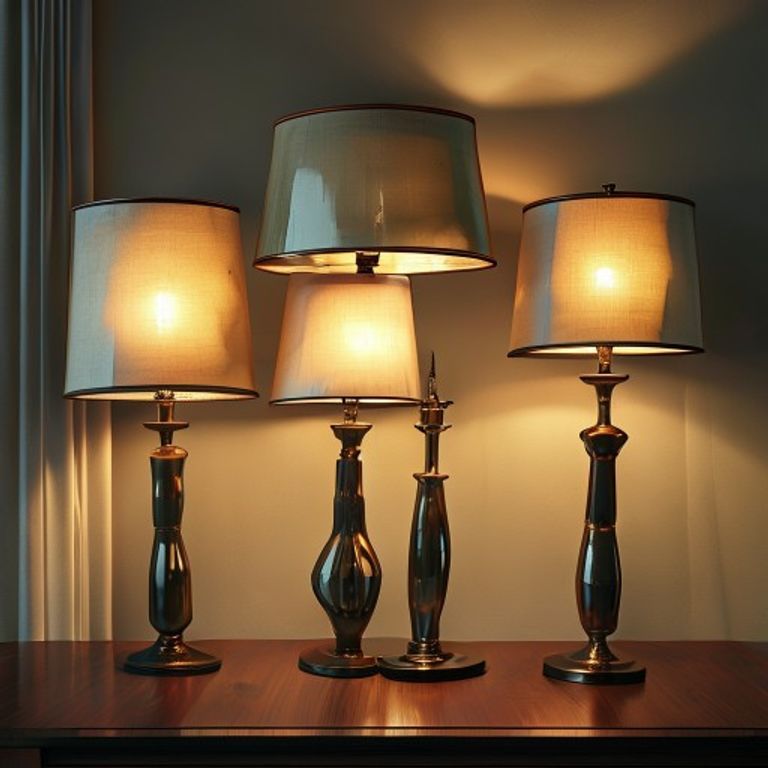
Platforms & Logistics: Where to Sell and How to Ship MCM Lamps
Choosing the right platform and mastering shipping are crucial for successful sales and happy customers.
Best Selling Platforms
- eBay: Excellent for a wide audience, both domestic and international. Good for designer pieces, as well as general MCM styles. Use detailed descriptions and high-quality photos.
- Etsy: Ideal for unique, handcrafted, or more curated vintage items. Attracts buyers looking for specific aesthetic items. Strong visual presentation is key.
- Chairish / 1stDibs: High-end platforms for authenticated, often designer-attributed pieces. They have higher fees but reach a discerning clientele willing to pay premium prices. Often require professional photos and sometimes delivery services.
- Facebook Marketplace / Local Pick-Up: Great for larger, heavier pieces that are expensive to ship, or for items where you want to avoid shipping altogether. You deal directly with buyers.
- Vintage Shops/Consignment: If you prefer not to manage online sales and shipping, local vintage stores or consignment shops can be an option, but expect a lower percentage of the final sale price.
Crafting Compelling Listings
Your listing is your storefront. Make it shine!
- High-Quality Photos: Take clear, well-lit photos from multiple angles (front, back, sides, top, bottom). Include close-ups of any identifying marks, unique features, and all flaws. Use a neutral background. Natural light is best.
- Detailed Descriptions: Be thorough. Include:
- Keywords: "Vintage Mid-Century Modern Lamp," designer name (if known), style (e.g., "Sputnik," "Tripod"), materials (e.g., "Teak," "Brass," "Milk Glass").
- Dimensions: Height, width, depth of base and shade.
- Condition Report: Be brutally honest about flaws (scratches, dings, discoloration, electrical status). "Presents beautifully for its age" or "Professionally rewired" are good phrases.
- Provenance: Any known history of the lamp.
- Functionality: Does it work?
- Measurements: Provide precise dimensions for buyers to visualize the item in their space.
- Disclose Flaws: Always disclose any imperfections clearly with photos. This builds trust and prevents returns.
Expert Packing & Shipping
Shipping lamps, especially fragile MCM ones, requires careful planning.
- Disassembly: If possible, carefully disassemble the lamp (e.g., remove shade, base from stem). Take photos as you disassemble to help the buyer reassemble.
- Individual Wrapping: Wrap each component separately. Use ample bubble wrap (multiple layers) and packing paper.
- Double-Boxing (Recommended for Fragile Items): Place the individually wrapped components in a sturdy inner box. Then, surround this inner box with at least 2-3 inches of cushioning (peanuts, crumpled paper, foam) within a larger, outer box.
- Shades: Shades are often the most fragile. If glass, double-box. For fabric/paper, ensure they are protected from crushing. Fill voids with paper.
- Fragile Labeling: Mark the outer box clearly with "FRAGILE," "THIS SIDE UP," and "HANDLE WITH CARE."
- Insurance: Always purchase shipping insurance for the full value of the lamp. It's a small cost for peace of mind.
- Choosing Carriers:
- USPS: Good for smaller, lighter lamps.
- UPS/FedEx: Excellent for medium to larger lamps. They often have better handling for larger/heavier packages. Consider their packing services for very valuable or intricate pieces.
- Freight/White Glove: For extremely large, heavy, or high-value chandeliers/floor lamps, specialized freight or white glove services might be necessary.
- Shipping Materials: Invest in quality boxes, bubble wrap, packing peanuts, and strong packing tape. 📦 Get a Professional Lamp Rewiring Kit on Amazon - Ensure your lamps are safe and functional for maximum value and buyer satisfaction.
- Communicate: Keep the buyer informed about shipping updates and tracking.
Reselling vintage Mid-Century Modern lamps is a rewarding endeavor. With dedication to research, meticulous condition assessment, strategic pricing, and careful handling, you can turn your passion for design into a thriving e-commerce business. Happy hunting and good luck with your sales!