Unlock Hidden Value: The Ultimate Expert Guide to Reselling Vintage Legos

The world of vintage Legos is a treasure trove for resellers, offering a unique blend of nostalgia, rarity, and significant profit potential. Beyond being mere toys, vintage Lego sets and individual bricks represent pieces of history, design innovation, and pure imagination that continue to captivate collectors and enthusiasts worldwide. From the iconic yellow-faced minifigures to the foundational bricks that built generations of dreams, understanding how to navigate this niche market is key to unlocking its hidden value.
This comprehensive guide, crafted by an expert SEO copywriter and e-commerce reseller, will equip you with the knowledge and actionable strategies needed to succeed in the vintage Lego resale market.
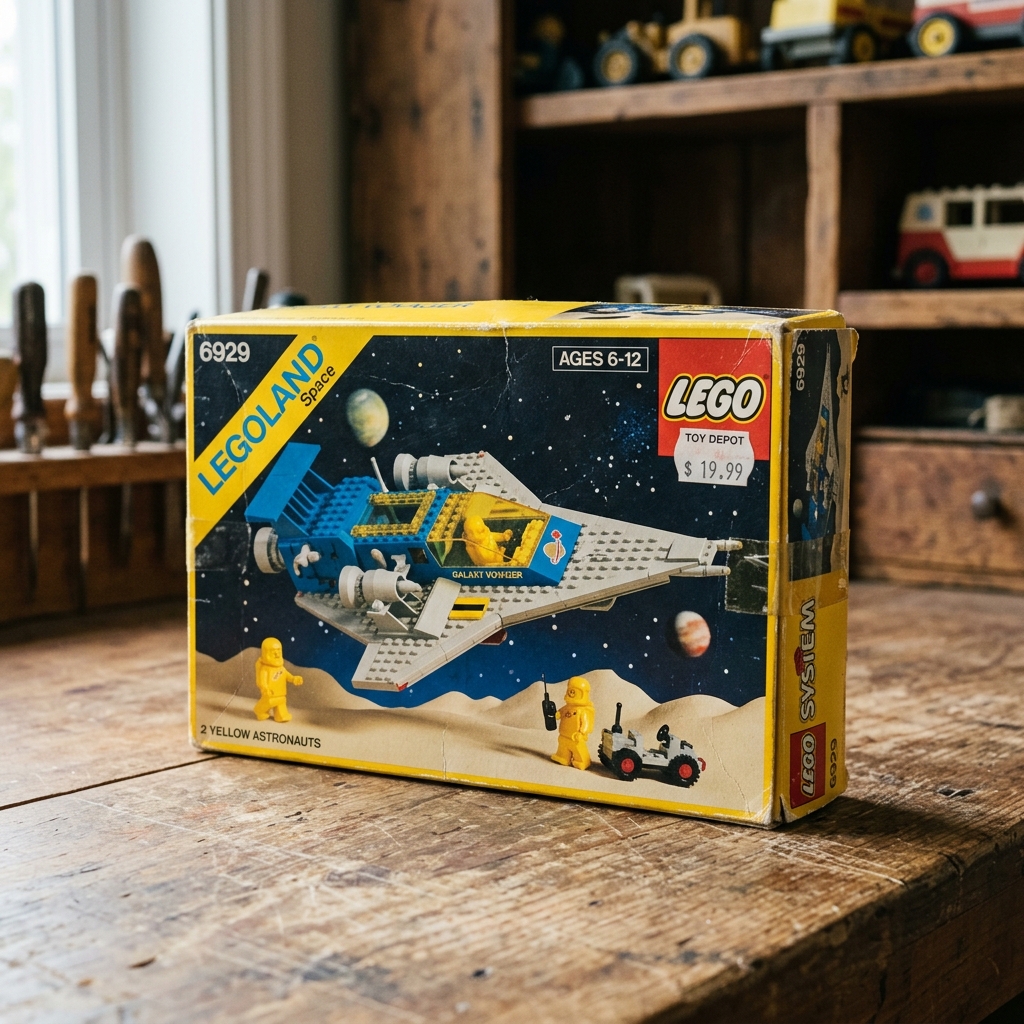
The Allure of Vintage Legos: Why Collectors Pay Top Dollar
Vintage Legos command high prices for several compelling reasons:
- Nostalgia: Many adult collectors are seeking to recapture their childhood memories, driving demand for sets and themes from their formative years.
- Rarity and Scarcity: Older sets are no longer produced, making complete, well-preserved examples increasingly scarce. Limited production runs or regional exclusives can further inflate value.
- Investment Potential: Like fine art or classic cars, certain vintage Lego sets have consistently appreciated in value over time, outperforming many traditional investments.
- Unique Design & Innovation: Early Lego elements and design philosophies hold a special place for design enthusiasts and Lego historians.
- Building Potential: Some collectors acquire vintage bricks for MOCs (My Own Creations) or to replace lost parts in their existing collections.
Understanding these motivations is the first step to successful reselling.
Identifying Authentic Vintage Legos and Uncovering Hidden Gems
Authentication and identification are paramount in the vintage Lego market. Knowing what you have, and its true origin, directly impacts its value.
Distinguishing True Vintage Legos
While "vintage" can be subjective, for Legos, it generally refers to items produced before the mid-1990s, with earlier pieces commanding the highest premiums.
- The "LEGO" Stamp: This is your primary identifier.
- Location: Almost every genuine Lego brick, plate, or tile manufactured after the 1950s will have the "LEGO" logo molded into its studs or underside. Smaller elements might have it on a side.
- Font and Style: Older logos can vary in font and size compared to modern pieces. Early bricks (1950s-early 60s) might also include patent numbers (e.g., "PAT. PEND.").
- "Billund" Stamp: Some older bricks might also feature "Billund" (the home of Lego in Denmark) or "Denmark" alongside the logo.
- Material and Color:
- Early Plastics: Pre-1960s Lego was often made from Cellulose Acetate (CA), which feels slightly different (sometimes softer, more brittle over time) than the ABS plastic used from 1963 onwards. CA bricks are prone to warping and discoloration.
- Color Palette: Vintage Lego often features a more limited and distinct color palette. Early reds, blues, yellows, and whites might have a slightly different hue or sheen than their modern counterparts. Pay attention to color consistency across pieces.
- Part Molds: Over decades, Lego has refined its molds. Slight variations in brick design, cavity numbers, or connection points can indicate age. Dedicated Lego databases like BrickLink can help cross-reference these details.
Valuable Variations, Rare Elements & Minifigures
Certain items stand out in the vintage Lego world due to their rarity or iconic status.
- First-Generation Minifigures (1978-early 1980s): These are often highly sought after. Look for:
- Classic "Smile" Face: The iconic yellow head with two dots for eyes and a simple smile.
- Specific Themes: Minifigures from early Classic Space (e.g., Spacemen with winged helmets), Castle (e.g., Black Falcons, Forestmen), and early Town sets.
- Printed Elements: Minifigure torsos with unique, detailed prints that were difficult or expensive to produce at the time.
- Unique Colors & Elements:
- Rare Colors: Certain colors were only produced for a short period or in very few sets (e.g., older shades of brown, dark gray, or particular translucent colors).
- Specialized Parts: Unique printed bricks (e.g., early computer screens, specific flags, signage), rare baseplates (especially those with terrain features or unique road patterns), or specialized technical elements.
- Chrome Parts: While prone to wear, vintage chrome elements (e.g., for spaceships, motorcycles) are highly prized.
- Original Packaging & Instructions: A complete, well-preserved original box, especially for older sets, can dramatically increase value. Instructions add authenticity and aid builders.
- Factory Sealed Sets (MISB - Mint in Sealed Box): The holy grail for collectors. Any vintage Lego set still sealed in its original packaging will fetch a premium, often many times its original retail price. Even small, sealed polybags from decades ago can be surprisingly valuable.
Assessing Condition: Your Key to Accurate Pricing
Condition is king when it comes to collectible items, and vintage Legos are no exception. Meticulous assessment is crucial for accurate pricing and buyer satisfaction.
Common Flaws and Damage to Look For
Handle pieces gently and examine them under good lighting.
- Discoloration/Yellowing: White, light gray, and some blue pieces are particularly prone to yellowing due to UV exposure. This is a common flaw and significantly reduces value. Note the degree and uniformity of the yellowing.
- Bite Marks & Scratches: These are signs of playwear. Assess the severity. Light scratches are expected, but deep gouges or significant bite marks detract heavily from value.
- Cracks: Brittle plastic, especially in older CA bricks, can lead to cracks. Check around studs, connection points, hinges, and minifigure arms/torsos. Cracks are generally irreparable and severely devalue the piece.
- Dust, Dirt & Grime: While often cleanable, excess dirt indicates neglect.
- Stickers/Decals: Check for missing, peeling, torn, or incorrectly applied stickers. Original, pristine stickers on the correct elements are highly desirable. Loose or aftermarket stickers have little to no value.
- Sun Fading: Uneven discoloration caused by partial sun exposure. Can make matching colors difficult for collectors.
- Missing Pieces: For complete sets, missing pieces are a major detractor. Always list if a set is 100% complete or if specific pieces are missing.
- Rust: On any metal components (e.g., older train tracks, battery contacts in light bricks).
Cleaning and Restoration Tips (Cautious Approach)
While cleaning can improve appearance, improper methods can cause irreversible damage. Always proceed with caution.
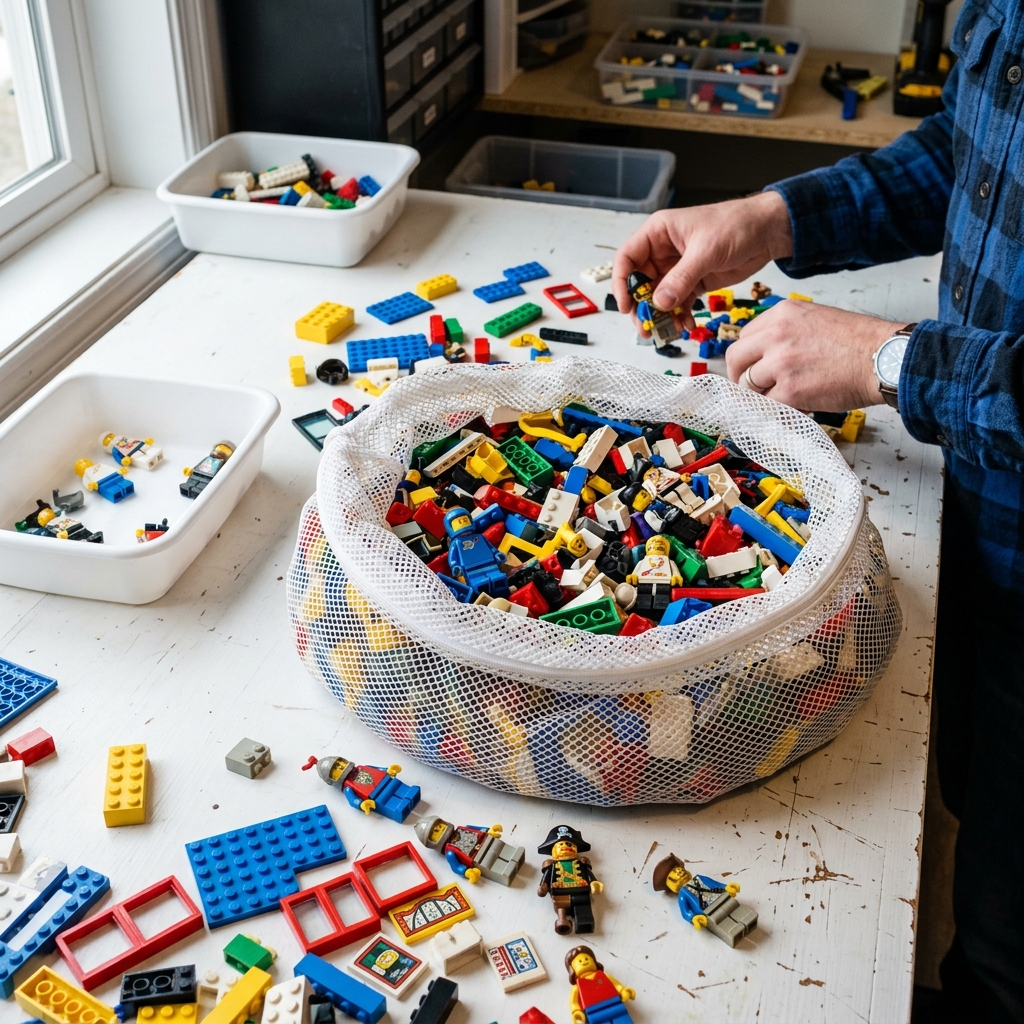
- Gentle Hand Washing:
- Use lukewarm water (not hot!) and a mild dish soap.
- Soak pieces for a short period (10-15 minutes).
- Use a soft brush (like an old toothbrush) to gently scrub away dirt.
- Rinse thoroughly under cool running water until no soap residue remains.
- Avoid Abrasives: Do not use harsh chemicals, bleach, or abrasive cleaners. These can damage the plastic, remove printing, or alter colors.
- No Dishwashers or Washing Machines: The high heat and harsh detergents will warp, scratch, and damage Lego elements.
- Drying:
- Spread pieces on a towel to air dry completely. Ensure they are bone dry before storage or shipping to prevent mold.
- Avoid direct sunlight for drying, especially for yellowed pieces, as it can accelerate brittleness or further discoloration.
- Disassembly: For complete sets, it's generally best to disassemble them before cleaning to ensure all nooks and crannies are reached.
- Stickers: Do NOT submerge or heavily scrub pieces with stickers, as this will destroy them. Clean very carefully around stickers with a damp cloth.
Mastering Pricing Strategies for Vintage Legos
Accurate pricing is crucial for both attracting buyers and maximizing profit. It requires research, understanding market dynamics, and a keen eye for detail.
The Power of eBay Sold Comps (Completed Listings)
eBay's "Sold Items" filter is an indispensable tool for gauging current market value.
- How to Search: Go to eBay, type in your item (e.g., "vintage Lego Castle 6080," "vintage Lego Classic Space minifigure"), and then filter the results by "Sold Items" and "Completed Items" on the left sidebar.
- Analyze Trends: Don't just look at the highest price. Observe a range of recently sold listings (ideally within the last 90 days) for items in similar condition. Look for consistency. Are there multiple sales around the same price point? Or are some significantly higher/lower?
- Factor in Condition & Completeness: A "complete with box and instructions" set will always sell for more than a "loose incomplete lot." Be realistic about where your item fits.
- Shipping Costs: Note if the sold items included free shipping or if shipping was an additional cost, as this impacts the total amount the buyer paid.
- "Watchers": For active listings, the number of "watchers" can indicate high demand for a particular item, potentially leading to higher bids or a quick sale at a "Buy It Now" price.
Utilizing BrickLink for Part-Specific Valuation
BrickLink is the world's largest online marketplace for new and used Lego parts, sets, and minifigures. It's essential for detailed valuation.
- Extensive Database: Use BrickLink's catalog to precisely identify every piece, its official name, part number, and colors. This is critical for selling individual bricks or verifying set completeness.
- Average Selling Price (ASP): For any given part, minifigure, or set, BrickLink provides an "Average Selling Price" based on recent transactions in "New" and "Used" condition. This is an invaluable benchmark.
- Seller Inventories: You can browse other sellers' inventories to see their asking prices for similar items, though always cross-reference with sold data.
- Wanted Lists: Serious collectors often have "Wanted Lists" on BrickLink, indicating demand for specific elements.
Understanding Current Market Value & Demand
Beyond specific tools, a broader understanding of the market is key.
- Set vs. Lot vs. Individual Pieces:
- Complete Sets (with Box/Instructions): Generally yield the highest prices due to collector demand.
- Rare Minifigures: Highly collectible, often selling for more than entire small sets.
- Bulk Lots: Can be profitable, especially large quantities of clean, sorted vintage bricks. Appeal to builders and those seeking parts.
- Individual Parts: Best sold on BrickLink for those seeking specific elements for MOCs or replacements.
- Collector vs. Builder Market: Tailor your listing. Collectors want pristine, complete sets. Builders might prioritize quantity or specific unique elements.
- Popular Themes: Themes like Classic Space (late 70s-80s), early Castle (e.g., Black Falcons, Lion Knights), and classic Town/City sets consistently perform well.
- Scarcity and Production Runs: Limited editions, promotional items, or sets with very short production runs will naturally command higher values.
- Anniversaries and Pop Culture: Sometimes, an anniversary of a theme or a resurgence in pop culture can temporarily boost interest and prices for related vintage items.
Best Platforms for Selling Vintage Legos & Shipping Success
Choosing the right platform and ensuring safe shipping are the final steps to successful resale.
Top E-commerce Platforms
- eBay:
- Pros: The largest global marketplace, offering immense reach. Ideal for selling complete vintage sets, rare minifigures, and valuable bulk lots. Auction format can drive prices up for highly desirable items.
- Cons: Higher fees (listing fees, final value fees, payment processing fees), competitive landscape.
- Listing Tips:
- High-Quality Photos: Absolutely essential. Take multiple, well-lit photos from all angles, showcasing condition, completeness, and any flaws. Include pictures of original box/instructions.
- Detailed Description: Be transparent. List set number, year, theme, completeness (e.g., "98% complete with all minifigures," "100% complete with original box/instructions"), and clearly describe any flaws (yellowing, cracks, missing stickers).
- Keywords: Use relevant keywords in your title and description: "vintage," "retro," "classic," set number, theme, "minifigure," "rare."
- Shipping Options: Offer clear shipping costs and consider offering international shipping for high-value items.
- BrickLink:
- Pros: A specialized marketplace dedicated entirely to Lego. The go-to platform for serious collectors and for selling individual parts, minifigures, and sets. Advanced inventory management tools.
- Cons: Steeper learning curve, requires meticulous cataloging of every piece. More focused on selling parts than large, complete sets (though sets are also sold).
- Facebook Marketplace/Groups:
- Pros: Excellent for local sales, eliminating shipping costs and associated risks. Numerous dedicated Lego buying/selling groups exist, providing a targeted audience. Ideal for larger bulk lots or less valuable items.
- Cons: Smaller reach than eBay, potential for no-shows or lowball offers, less buyer/seller protection.
- Specialty Forums/Websites (e.g., Eurobricks, BrickPicker):
- Pros: Highly engaged, knowledgeable audience of dedicated enthusiasts. Can be good for extremely rare items or building a reputation as a trusted seller.
- Cons: Slower sales velocity, often requires active participation in the community.
Secure Shipping for Valuable Bricks
Proper packaging is critical to ensure items arrive safely and maintain their value.
- Packaging Materials:
- Zip-Top Bags: For loose bricks and minifigures. Double-bag small, fragile pieces.
- Bubble Wrap: Use generously around individually wrapped minifigures, fragile elements, and instruction manuals.
- Sturdy Boxes: Always use a new, appropriately sized corrugated cardboard box. Avoid using padded envelopes for anything fragile or valuable.
- Void Fill: Crinkle paper, packing peanuts, or air pillows to prevent items from shifting during transit. 📦 Buy Bubble Wrap on Amazon Here
- Complete Sets:
- Disassembly: For used complete sets, disassembling them by color or type (or even by instruction step, though time-consuming) and bagging them can protect fragile pieces and make reassembly easier for the buyer.
- Original Boxes: If shipping the original box, protect it by placing it inside another larger box with ample padding to prevent crushing or damage.
- Weight & Dimensions: Accurately measure and weigh your packaged item. This is crucial for calculating shipping costs and selecting the correct service. Invest in a kitchen scale.
- Insurance & Tracking: Always include tracking for every shipment. For valuable items, insurance is a non-negotiable expense to protect against loss or damage.
- Carrier Choice: Compare rates and services from USPS (First Class for small/light, Priority Mail for heavier/faster), UPS, and FedEx. Choose based on cost, speed, and insurance options.
- International Shipping: If offering, clearly state customs fees are the buyer's responsibility. Use reliable services with tracking and insurance. Accurately declare contents and value.
Pro Tips for Vintage Lego Resale Success
- Be Meticulous with Detail: The more honest and detailed your description, the more trust you build with potential buyers. Every flaw, every missing piece, every sticker condition should be documented.
- Invest in Good Photography: High-resolution, well-lit photos taken against a clean, neutral background are non-negotiable. Show multiple angles, close-ups of specific details, and any flaws.
- Know Your Niche: Start with themes or types of Lego you are familiar with. Over time, you'll develop an eye for value.
- Stay Updated: Follow Lego news, collector forums, and market trends. Understanding what's hot (or about to be) can give you an edge.
- Cleanliness is Key: Presenting clean, well-maintained bricks significantly increases their appeal and value.
Reselling vintage Legos is a rewarding venture that combines historical appreciation with entrepreneurial spirit. By diligently identifying, authenticating, assessing condition, and strategically pricing and selling your finds, you can build a successful and profitable e-commerce business, one classic brick at a time.