Rev Up Your Resale: The Ultimate Guide to Vintage Hot Wheels Profit

Welcome to the thrilling world of vintage Hot Wheels reselling! What started as a simple toy car in 1968 has grown into a multi-million dollar collector's market. For the savvy e-commerce reseller, these miniature die-cast vehicles represent a unique opportunity for substantial profit. From rare "Redlines" to obscure color variations, understanding the nuances of vintage Hot Wheels can turn a childhood memory into a lucrative side hustle. This comprehensive guide will equip you with the expert knowledge needed to navigate the market, identify true gems, and maximize your returns.
The Thrill of the Hunt: Identifying Authentic & Valuable Vintage Hot Wheels
Unlocking profit in vintage Hot Wheels begins with keen identification skills. Not every old Hot Wheels car is valuable, but certain eras, features, and variations can command impressive prices.
Key Identifiers for Authenticity
The first step is to differentiate genuine vintage pieces from modern reproductions or less desirable common cars.
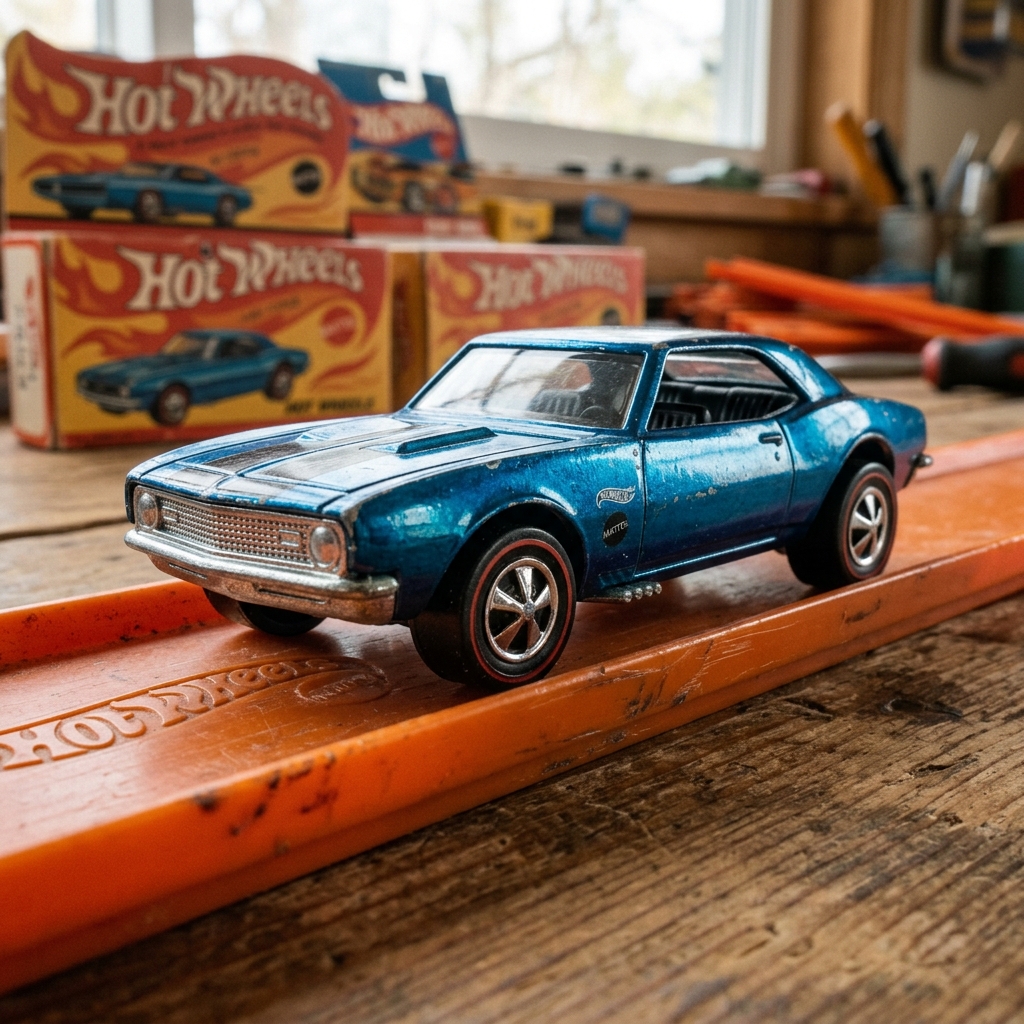
- The Redline Era (1968-1977): This is the holy grail for many collectors. Redline wheels, characterized by a thin red stripe around the tire's circumference, are the hallmark of this period. Cars from this era also typically feature:
- Spectraflame Paint: A vibrant, translucent enamel paint that gives the cars a dazzling, metallic finish. This paint is notoriously delicate and prone to chipping.
- Heavy Die-Cast Bodies: Early Hot Wheels were made with more metal, giving them a substantial feel.
- Suspension: Most early cars had working suspension.
- Country of Origin on Base: The base of the car will usually be stamped "Hong Kong" or "USA." "Hong Kong" variations can sometimes be rarer or carry specific color variations.
- Specific Castings: The original "Sweet 16" (the first 16 castings released in 1968) are particularly sought after.
- Later Vintage (Late 1970s - 1990s): While not as universally valuable as Redlines, this era still holds potential.
- Blackwall Wheels (1977-1988): Replaced Redlines. These wheels simply have black tires.
- Basic Wheels & Ultra Hots (Late 80s - 90s): Further iterations of wheel designs.
- Tampos vs. Decals: Later cars rely more on tampo-printed designs (pad-printed directly onto the car) rather than applied decals.
- Base Markings: Look for copyright dates (which refer to the mold's year, not necessarily the car's release year) and countries of origin like Malaysia, Thailand, or China.
Unearthing Valuable Variations
Once you've confirmed authenticity, the next step is to look for variations that significantly increase value.
- Color Variations: The most common source of variation. Some colors for a specific casting are produced in much smaller quantities. For example, a pink Redline Beach Bomb is one of the most valuable Hot Wheels cars ever. Always research the common and rare colors for a given casting.
- Wheel Variations: A specific casting might have been released with different wheel types during its production run. Some wheel/casting combinations are rarer than others.
- Interior Colors: Less frequent but impactful. Some castings have specific interior colors that are harder to find.
- Prototype & Error Castings: These are extremely rare and highly prized by collectors. Errors can include:
- Missing tampo prints.
- Assembled with incorrect parts (e.g., wrong base, different wheels on each side).
- Unpainted or factory prototypes (usually acquired through insider means, very hard to come by in the wild).
- Packaging Variations (MOC - Mint on Card): If you find cars still sealed on their original blister cards, the card itself can have variations.
- Card Art: Different artwork or advertisements.
- Blister Type: Some early cars had "button" or "skin pack" blisters.
- Error Cards: Misprinted text, wrong car on card, etc.
- Promotional & Limited Editions: Mail-away cars, convention exclusives, or cars released for specific promotions can be highly valuable, especially if they are difficult to obtain.
Condition is King: Assessing Flaws & Maximizing Value
In the world of collectibles, condition is paramount. Even a rare variation can have its value severely diminished by significant damage. Learning to accurately assess and describe condition is critical for fair pricing and satisfied buyers.
Understanding Grading Scales
While professional grading services exist (like Beckett Grading Services for MOC cars), for most resellers, a good understanding of descriptive terms is sufficient.
- Mint on Card (MOC): The car is still sealed in its original, undamaged packaging. The card should be flat with minimal creasing or edgewear, and the plastic blister intact. This commands the highest premium.
- Loose (Unpackaged) Cars:
- Near Mint (NM or C9-C10): Very minor to no flaws. Paint is excellent with perhaps one tiny chip. Wheels are straight and roll freely. Base is clean. Looks almost new.
- Excellent (EX or C7-C8): Some minor paint chips (2-3 small ones), very light axle bends, minor base wear. Still very presentable.
- Good (GD or C5-C6): Noticeable paint chips, some deeper scratches, potentially bent axles affecting roll, some tampo wear. Still a solid display piece for a casual collector.
- Fair (FR or C3-C4): Significant paint loss, bent/damaged axles, possibly missing small parts, heavy playwear. Value is significantly reduced, often only for very rare castings or for restoration projects.
- Poor (PR or C1-C2): Severely damaged, broken parts, heavy rust, essentially a "parts car."
Common Flaws to Scrutinize
When inspecting a car, go over every detail with good lighting.
- Paint Chips/Loss: The most common and impactful flaw. Spectraflame paint on Redlines is especially fragile. Note the size, location, and number of chips.
- Axle Bends/Wheel Damage: Check if all wheels are straight and roll freely. Bent axles or damaged wheels (cracks, missing chrome) reduce value.
- Missing/Damaged Parts: For castings with separate parts (engines, canopies, spoilers, surfboards), ensure they are present and undamaged.
- Tampo Rubs/Decal Fading: Any wear, fading, or rubs on the printed decorations (tampos) or applied decals.
- Rust/Corrosion: Look for rust on the axles, base, or exposed metal parts. This indicates poor storage and can degrade the plastic over time.
- Sun Fading: Cars left in direct sunlight can have dull, faded paint, or discolored plastic parts (especially interiors).
- Interior Damage: Cracked windshields, missing seats, or discolored interiors.
Cleaning & Restoration (When to Do It, When Not To)
Generally, for collectible items, less is more when it comes to cleaning and restoration.
- Gentle Cleaning: You can gently clean off dust and light grime. Use a soft, damp cloth or a cotton swab with plain water. For stubborn adhesive residue (like old price tags), a tiny amount of Goo Gone on a Q-tip, applied carefully and wiped off immediately, can work, but test in an inconspicuous area first. 📦 Buy Goo Gone Adhesive Remover
- Avoid Harsh Chemicals: Never use abrasive cleaners, strong solvents, or anything that could strip paint or damage plastic.
- Restoration is Risky: Repainting, replacing parts (unless factory correct and common), or extensive modifications generally reduces collector value. Collectors prefer original condition, even with flaws. If you do restore, it must be explicitly stated in the listing as a "custom" or "restored" piece, and priced accordingly (usually much lower than an original, even flawed, piece).
Mastering the Market: Pricing Strategies for Vintage Hot Wheels
Accurate pricing is the cornerstone of successful reselling. Overprice and your item languishes; underprice and you leave money on the table.
The Power of eBay Sold Comps
eBay is the most robust and accessible pricing tool for vintage Hot Wheels.
- Targeted Search: Start by searching for your specific car's model name, color, and any key features (e.g., "Redline Custom Charger purple").
- Filter for "Sold Items": This is crucial. Don't look at active listings, as those are asking prices, not what buyers are actually paying. Filter by "Sold Items" and "Completed Items" to see real transaction data.
- Analyze Results:
- Match Condition: Compare your car's condition to the sold listings. A "Near Mint" car will sell for significantly more than a "Good" condition car of the same model.
- Match Variations: Ensure the wheel type, interior color, base markings, and any other variations match.
- Auction vs. Buy It Now (BIN): Auctions can sometimes fetch higher prices for very rare items due to bidding wars, but BIN prices show what people are willing to pay outright. Note both.
- Shipping Costs: Factor in the shipping costs paid by the buyer in the sold comps, as sometimes sellers will price lower and make it up on shipping (less common now).
- Average it Out: Look at several comparable sales over the last 90 days to get a solid average.
Current Market Value & Trends
Beyond eBay, other resources can inform your pricing.
- Online Price Guides: Sites like hobbydb.com offer extensive databases and current market value estimates based on sales data. Redline Guide is another excellent resource specifically for Redline-era cars.
- Collector Forums & Facebook Groups: Participate in these communities. They can offer insights into current demand, hot items, and expert opinions on rarity. Ask for "comps" or valuation advice.
- Rarity vs. Demand: A car can be incredibly rare but not particularly valuable if there isn't collector demand for it. Conversely, a common car in a highly sought-after, rare variation will fetch a premium.
- Seasonal Trends: Certain times of the year (e.g., pre-Christmas, specific collector conventions) might see higher activity or prices for certain items.
Smart Pricing Practices
- Start with a Realistic Price: Based on your comps, set a fair price. If you're unsure, pricing slightly below the highest comps for your condition can encourage a quicker sale.
- Offer "Make Offer": On platforms like eBay, enabling the "Best Offer" option allows you to negotiate, giving buyers a sense of control and you flexibility.
- Auction vs. Fixed Price:
- Auction: Best for very rare, highly sought-after items with clear demand. It can create bidding wars. Start auctions at a reasonable opening bid to attract interest.
- Fixed Price (Buy It Now): Ideal for more common vintage cars, or if you have a very firm price in mind for a rare item.
- Bundling: If you have several lower-value vintage cars (e.g., common Blackwalls in "Good" condition), consider bundling them into a "lot" to increase perceived value and save on shipping per item.
 `
`
From Listing to Delivery: Best Platforms & Shipping Tips
You've identified, assessed, and priced your vintage treasures. Now it's time to get them into the hands of eager collectors.
Top Platforms for Vintage Hot Wheels
Choosing the right platform is key to reaching the right buyers.
- eBay: The undisputed champion for selling vintage Hot Wheels.
- Pros: Largest audience of collectors worldwide, auction format works well for rare items, robust search filters, seller protections.
- Cons: Higher fees (final value fees, listing fees), can be competitive.
- Best For: All vintage Hot Wheels, especially rare Redlines, MOC cars, and valuable variations.
- Facebook Marketplace/Groups:
- Pros: No selling fees (unless using Facebook Checkout), great for local pickups (saving on shipping), specific collector groups allow targeted selling.
- Cons: Smaller reach than eBay, less buyer/seller protection, can be time-consuming to manage.
- Best For: Local sales, common lots, or specific high-value items within a trusted collector group.
- Hobbydb Marketplace: A niche platform specifically for collectors of various items, including Hot Wheels.
- Pros: Targeted audience of serious collectors, good integration with their comprehensive database.
- Cons: Smaller user base than eBay, potentially slower sales.
- Best For: Unique or higher-end pieces where you want to reach dedicated collectors.
- Mercari/Poshmark: While not primary Hot Wheels platforms, they can work.
- Pros: User-friendly apps, fixed shipping rates for some categories, good for impulse buys.
- Cons: Smaller collector audience, fees can be high.
- Best For: MOC items, modern collectible Hot Wheels, or higher-value individual pieces that might appeal to a broader gift-giving audience.
Crafting Irresistible Listings
Your listing is your storefront. Make it shine!
- High-Quality Photos: This cannot be stressed enough.
- Lighting: Use bright, diffused lighting (natural light near a window is excellent). Avoid harsh shadows.
- Background: A plain, neutral background (white or light grey) makes the car stand out.
- Multiple Angles: Take photos from all sides, top, bottom (especially for base markings), front, and back.
- Show Flaws Clearly: Be honest. Zoom in on any paint chips, axle bends, or damage. It builds trust and prevents returns.
- Detailed Description: Be as thorough as possible.
- Key Information: Model name, mold year (if known), specific color, wheel type (e.g., Redline, Blackwall), country of origin on base.
- Condition: Use descriptive terms (e.g., "Excellent C8," "Good with paint chips"). List all notable flaws.
- Variations: Highlight any rare variations you've identified.
- Keywords: Use relevant terms collectors search for (e.g., "Spectraflame," "Hong Kong base," "Sweet 16," "error Hot Wheels").
- Clear Title: Include the most important information concisely (e.g., "VINTAGE HOT WHEELS 1969 CUSTOM VOLKSWAGEN VW BEETLE REDLINE HONG KONG EXCELLENT").
Shipping Your Precious Cargo
Vintage Hot Wheels are fragile and valuable. Proper packaging is non-negotiable.
- Secure Packaging is PARAMOUNT: A flimsy envelope is a recipe for disaster and negative feedback.
- Individual Protection:
- For loose cars: Wrap each car individually in bubble wrap or tissue paper.
- For MOC cars: Place the carded car inside a snugly fitting clear plastic protector (e.g., Star Wars card protector) before wrapping.
- Sturdy Box: Always use a new, appropriately sized corrugated cardboard box. Do NOT use bubble mailers or poly mailers for loose cars; they offer insufficient crush protection. For MOC, a box is also crucial to protect the card.
- Void Fill: Fill any empty space in the box with packing peanuts, crumpled packing paper, or more bubble wrap to prevent the car(s) from shifting during transit.
- Tracking & Insurance: Always use a shipping service that provides tracking. For higher-value items (e.g., over $50-$100), consider adding insurance. USPS Priority Mail typically includes some insurance.
- Carrier Choice:
- USPS First Class Package: Best for individual, lighter loose cars (under 1 lb) due to cost-effectiveness.
- USPS Priority Mail: Good for heavier lots, multiple cars, or for faster service.
- UPS/FedEx: Consider for very large lots or extremely high-value items where their specific insurance and handling might be preferred.
- Shipping Supplies: Stock up on quality shipping materials. 📦 Buy Bubble Wrap for Secure Shipping
Reselling vintage Hot Wheels is a rewarding endeavor that combines the thrill of the hunt with the satisfaction of connecting collectors with their desired pieces. By diligently applying these strategies – from meticulous identification and condition assessment to smart pricing and secure shipping – you'll not only build a profitable e-commerce business but also become a respected expert in the vibrant world of miniature die-cast history. Happy hunting, and may your sales be red-hot!