**Unearthing Treasure: The Expert's Guide to Reselling Vintage Coffee Mugs for Profit**

The humble coffee mug, a daily essential for millions, transforms into a coveted collectible when it bears the patina of age and a story to tell. Vintage coffee mugs are a booming niche in the resale market, cherished for their nostalgic appeal, unique designs, and often superior craftsmanship compared to their modern counterparts. As an expert e-commerce reseller, I’ve seen firsthand the consistent demand for these charming pieces, from quirky advertising mugs to mid-century modern stoneware. This comprehensive guide will equip you with the knowledge to identify, acquire, and profitably resell vintage coffee mugs.
The Allure of Vintage Coffee Mugs: What Makes Them Resellable?
Vintage coffee mugs resonate deeply with collectors and casual buyers alike for several reasons:
- Nostalgia: They evoke memories of childhood, past eras, or beloved brands.
- Unique Aesthetics: Designs from bygone decades often feature vibrant colors, unique glazes, and artistic styles rarely seen today.
- Durability and Quality: Many older mugs were made with higher-quality ceramic or stoneware, designed to last.
- Scarcity: Limited production runs, discontinued designs, or specific promotional items become harder to find over time, driving up value.
- Affordable Collectible: Compared to other vintage items, many mugs are still relatively inexpensive, making them an accessible entry point for new collectors.
Identifying Authentic & Valuable Vintage Coffee Mugs
The first step to profitable reselling is knowing what you’re looking at. Not all old mugs are valuable, but with a keen eye, you can spot the hidden gems.
Decoding Makers' Marks and Backstamps
The base of a mug is often its most tell-tale feature. Flipping a mug over to inspect the bottom is crucial. Look for:
- Manufacturer's Marks: These can be stamped, embossed, or hand-painted. Iconic brands like Fire-King (especially Jadeite), Pyrex, McCoy, Hull, Hall, Pfaltzgraff, Weller, and Homer Laughlin (often seen in restaurant ware) are highly sought after.
- Dating Cues: Some marks include patent numbers, factory codes, or even years of production, which can help pinpoint the mug's age. Researching specific marks online (e.g., "McCoy pottery marks," "Fire-King date codes") is essential.
- Country of Origin: "Made in Japan," "Occupied Japan," "USA," or "England" can indicate different periods and manufacturing styles. "Occupied Japan" items (1945-1952) are a niche collector's item.
- Artist Signatures: For studio pottery mugs, an artist's signature can significantly increase value.
Don't be discouraged by unmarked mugs; some valuable vintage pieces, especially very early ones or specific types of diner ware, may lack a manufacturer's mark. However, a clear mark generally makes identification and valuation easier.
Spotting Desirable Designs and Themes
Beyond the maker, the design itself dictates much of a mug's appeal and value.
- Pop Culture Icons: Mugs featuring beloved TV show characters (e.g., Peanuts, Garfield, Disney, Star Wars), movie franchises, or comic book heroes from the 70s, 80s, and 90s are consistently strong sellers. Look for rarer characters or specific promotional releases.
- Advertising Mugs: Vintage promotional mugs from fast-food chains (McDonald's, Burger King, Wendy's), soft drink companies (Coca-Cola, Pepsi), automotive brands, or local businesses often have a dedicated collector base. Condition is especially key for these.
- Holiday & Seasonal Themes: Mugs for Halloween, Christmas, Thanksgiving, or specific events (e.g., state fairs, Olympics) can sell well, especially if unique or from a recognizable brand.
- Retro Aesthetics: Mid-Century Modern designs (simple, geometric shapes, atomic starbursts), groovy 1970s patterns, or kitschy 1980s graphics are highly popular. Think specific color palettes (avocado green, burnt orange, mustard yellow) and design motifs.
- Material and Glaze Variations:
- Milk Glass: Especially Fire-King, Anchor Hocking, or Federal Glass mugs in white, jadeite, or sapphire blue are highly desirable.
- Stoneware: Robust and earthy, often with textured glazes. Pfaltzgraff, Hull, and certain studio pottery pieces fall into this category.
- Ceramic: The broadest category, encompassing a vast array of styles and glazes.
- Porcelain: Finer and more delicate, often used for more decorative or higher-end pieces.
Rare Variations and Limited Editions
Keep an eye out for these special characteristics that can significantly boost a mug's value:
- Color Variations: Sometimes a standard design was released in a limited color that is now scarce.
- "Error" Mugs: Mugs with manufacturing flaws (e.g., misaligned decals, wrong colors) can occasionally be collector's items if the error is significant and verifiable.
- Promotional Exclusives: Mugs given out at specific events, as part of a limited promotion, or to employees of a company can be very hard to find.
- Full Sets: While selling individual mugs is common, having a complete set (e.g., a full set of McDonald's character mugs, or a matching coffee pot and creamer/sugar set) can command a premium.
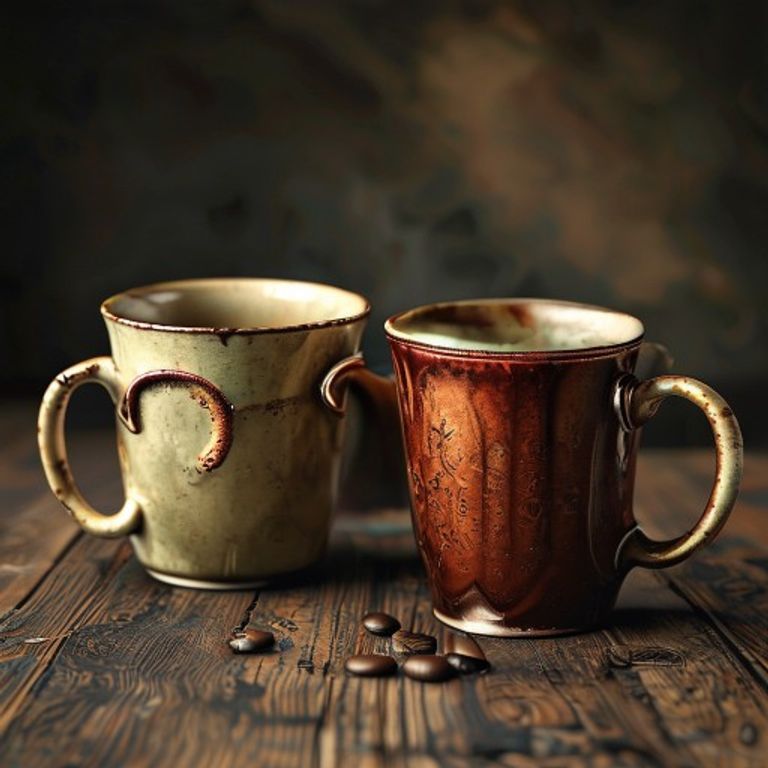
Assessing Condition: The Key to Profitability
Condition is paramount when reselling vintage items, and mugs are no exception. Buyers are often particular, so meticulous inspection and accurate descriptions are non-negotiable.
Common Flaws and Damage
When examining a mug, check every surface, inside and out, including the handle and base.
- Chips:
- Rim Chips: These are the most detrimental, as they affect usability and are highly visible. A mug with a significant rim chip is usually unsellable unless exceptionally rare.
- Base Chips: Less severe than rim chips, but still lower value.
- Handle Chips: Can compromise structural integrity and appeal.
- Cracks:
- Hairline Cracks: Fine lines that can be hard to see. Test by gently tapping the mug; a dull thud instead of a clear ring can indicate a crack. Cracks are generally deal-breakers.
- Stress Cracks: Often found where the handle joins the mug body.
- Crazing: A network of fine, hair-like cracks in the glaze, not extending into the ceramic body. Common on older pottery. While not structural damage, it should always be disclosed as some buyers dislike it. It can also indicate susceptibility to staining.
- Stains:
- Coffee/Tea Stains: Discoloration inside the mug. Often removable with appropriate cleaning, but always disclose if stubborn.
- Discoloration: General yellowing or staining on the exterior.
- Fading/Wear to Decals or Glazes: Printed designs or decorative glazes can show wear, scratches, or fading over time, especially from dishwasher use. Check for vibrancy and completeness of the graphic.
- Scratches: Utensil marks inside, or general surface abrasions on the exterior.
The "Acceptable Imperfections" Rule
Some vintage items, especially those used daily, will have minor flaws. The key is knowing what’s acceptable and how to disclose it.
- Minor Utensil Marks or Scratches: Often acceptable if minimal and consistent with age.
- Light Crazing: Acceptable on many older pieces, especially stoneware, if clearly disclosed and photographed.
- Minor Base Wear/Scuffs: Expected on the bottom rim where the mug sits.
- Manufacturing Imperfections: Small glaze skips, pinpricks, or variations are common in vintage pottery and are usually considered part of its charm rather than damage.
Always use high-quality, clear photos from multiple angles to document the condition, including any flaws. Be transparent and detailed in your description. "Vintage condition with signs of age and use commensurate with its history" is a good starting point, followed by specific details.
Mastering Pricing Strategies for Vintage Coffee Mugs
Pricing vintage coffee mugs correctly is a blend of art and science. Overprice, and it won't sell; underprice, and you leave money on the table.
The Power of eBay Sold Comps
This is your single most important tool for pricing. eBay's "Sold Listings" feature provides real-world data on what buyers are actually paying.
- Search Broadly: Start by searching for your mug's brand and key descriptive terms (e.g., "Fire-King Jadeite mug," "McDonald's Garfield mug").
- Filter to "Sold Items": On the left-hand sidebar (or within filters on mobile), select "Sold Items." This will show you completed listings with green prices.
- Analyze Multiple Data Points:
- Condition Match: Find mugs in similar condition to yours. A chipped mug will sell for significantly less than one in excellent condition.
- Listing Type: Note the difference between "Buy It Now" (BIN) and "Auction" results. BIN prices are often aspirational, while auction results show what someone was willing to bid.
- Variations: Did a specific color or design variant sell for more or less?
- Recent Sales: Look at the most recent sales to gauge current market trends. Prices can fluctuate.
- Shipping Costs: Factor in whether the sold price included shipping or if shipping was extra. This helps you calculate your effective selling price.
Aim to price competitively, usually within the range of recently sold comparable items.
Researching Current Market Value
While eBay sold comps are primary, expand your research:
- Etsy: Search for similar mugs on Etsy. While Etsy prices can sometimes be higher (reflecting a more curated, boutique feel), they offer another data point for BIN prices.
- Specialized Collector Forums/Facebook Groups: Joining groups dedicated to specific brands (e.g., Fire-King collectors) can give you insights into rare items and general market sentiment.
- Replacements Ltd.: While primarily for dinnerware, Replacements Ltd. can sometimes list individual mugs and provide a high-end retail valuation, useful for understanding potential top-tier value, though your resale price will likely be lower.
- Supply and Demand: Is this a common mug or a hard-to-find gem? Scarcity drives value. If there are many similar mugs listed, you'll need to price more aggressively.
Dynamic Pricing and Listing Adjustments
The market is fluid. Don't set a price and forget it.
- Review Your Listings: If a mug isn't selling after a few weeks, revisit your price.
- Offer Best Offer: Enabling the "Best Offer" option on eBay allows buyers to submit bids, giving you flexibility and encouraging sales. Set a reasonable auto-accept or auto-decline threshold.
- Seasonal Adjustments: Holiday-themed mugs will likely sell better closer to that holiday.
 `
`
Platforms & Shipping: Getting Your Mugs to Their New Home
Once you’ve identified, assessed, and priced your vintage coffee mugs, it’s time to list and ship them safely.
Best Platforms for Vintage Coffee Mugs
Choosing the right platform can impact your visibility and selling speed.
- eBay:
- Pros: Largest audience, ideal for rare or high-value mugs, strong for auction-style listings, excellent for price research (sold comps). Best for Fire-King, Pyrex, advertising mugs, and general vintage.
- Cons: Higher fees than some, can be competitive.
- Etsy:
- Pros: Niche audience specifically looking for vintage and handmade goods. Great for curated shops, unique aesthetic mugs, and sets. Often attracts buyers willing to pay a bit more for the right piece.
- Cons: Smaller audience than eBay, less traffic for common items.
- Poshmark:
- Pros: Good for lifestyle pieces, branded items, or sets of mugs that fit a certain aesthetic (e.g., farmhouse, cottagecore, retro). Lower fees for sales under $15.
- Cons: Not traditionally a strong platform for individual mugs; better for higher-priced bundles or unique, fashion-forward pieces.
- Local Marketplaces (Facebook Marketplace, OfferUp, Craigslist):
- Pros: No shipping costs, good for bulky items, large sets, or lower-value mugs that aren't worth the shipping hassle. Fast cash.
- Cons: Limited local audience, potential for no-shows or lowball offers.
Expert Shipping Tips for Fragile Ceramics
Shipping fragile items like ceramic mugs requires careful attention to detail to prevent breakage. A broken mug equals a refund and a frustrated customer.
- Packaging Materials are Key:
- Bubble Wrap: Use generous amounts. Double-wrap mugs with at least 1-2 inches of bubble wrap around all sides, including the handle. Secure with tape.
- Void Fill: Packing peanuts, crinkled paper, or air pillows are essential to fill any empty space in the box and cushion the mug.
- Sturdy Box: Always use a new, appropriately sized corrugated cardboard box. Avoid reusing flimsy boxes. For very valuable mugs, consider a double-walled box or double-boxing.
- Tape: Use strong packing tape (2-inch wide minimum) to secure all seams and flaps.
- The "Floating" Method: The goal is for the mug, once wrapped, to "float" in the center of the box, surrounded by at least 2 inches of cushioning on all six sides. It should not touch any side of the box.
- Start with a layer of cushioning on the bottom of the box.
- Place the wrapped mug on top.
- Fill all remaining space with void fill, ensuring no movement.
- Add a final layer of cushioning before closing the box.
- Double Boxing (For High-Value Items): For extremely rare or expensive mugs, place the securely packaged inner box into a larger outer box, filling the space between the two boxes with cushioning. This provides an extra layer of protection.
- Labeling: Clearly mark the box with "FRAGILE" and "HANDLE WITH CARE" on multiple sides. While not always foolproof, it alerts handlers.
- Insurance: Always purchase shipping insurance for valuable items. The cost is minimal compared to the potential loss from breakage.
- Accurate Weight & Dimensions: Measure and weigh your packaged item accurately. This ensures correct shipping costs, preventing undercharges or overcharges. Use a kitchen scale and measuring tape.
For those looking to organize their growing collection or showcase their finds for sale, a dedicated display solution can be invaluable: 📦 Collectible Mug Display Stand (holds 6 mugs) on Amazon
Reselling vintage coffee mugs is a rewarding venture. It combines the thrill of the hunt with the satisfaction of connecting unique items with new owners who will cherish them. By diligently following these steps—from expert identification and meticulous condition checks to strategic pricing and secure shipping—you'll be well on your way to building a profitable and enjoyable vintage mug reselling business. Happy hunting!