The Ultimate Reseller's Guide to Vintage Band T-Shirts: Authenticity, Pricing & Profit

The demand for vintage band t-shirts has exploded, transforming dusty thrift store finds into highly coveted collector's items and significant profit generators for savvy resellers. From iconic 70s rock tees to grunge-era classics, these wearable pieces of music history represent nostalgia, personal expression, and a tangible connection to cultural moments. As an expert e-commerce reseller and seasoned vintage enthusiast, I’m here to guide you through the intricate world of buying, authenticating, pricing, and successfully selling vintage band t-shirts for maximum profit.
The Allure of Vintage Band T-Shirts: Why They Sell
Before diving into the nitty-gritty, it's crucial to understand why these shirts command such high prices. It's more than just fabric and ink; it's a blend of factors:
- Nostalgia & Legacy: Buyers want to relive their youth or connect with music legends.
- Rarity & Scarcity: Limited original production runs mean true vintage is hard to find.
- Fashion & Authenticity: Vintage appeals to those seeking unique, sustainable, and authentic style.
- Investment Potential: Some rare tees appreciate significantly over time, making them collector's investments.
- Cultural Significance: Iconic bands and tour dates hold a special place in music history.
This powerful combination creates a vibrant and competitive market, ripe for informed resellers.
Identifying Authentic Vintage Band T-Shirts and Valuable Variations
Authentication is paramount in the vintage market. Fakes are abundant, and understanding the nuances between genuine vintage and modern reproductions is your superpower.
Decoding the Tag: Your First Clue
The garment tag is often the first and most critical piece of evidence. Familiarize yourself with common vintage blanks and brands:
- Era-Specific Brands: Look for tags like Brockum, Giant, Winterland, Hanes Beefy-T (specific era tags), Fruit of the Loom (certain styles and fonts), Screen Stars, T-America, Stedman, Anvil (older designs), Gildan Ultra Cotton (certain periods). Researching the typical tag styles for these brands across different decades (70s, 80s, 90s) is essential. A "Made in Honduras" tag on a supposed 1980s shirt is an immediate red flag.
- "Made in USA": This is a strong indicator of pre-2000s manufacturing for many brands, though not exclusive. Post-2000s production often shifted overseas.
- Single Stitch vs. Double Stitch:
- Single Stitch: Predominantly found on hems (sleeves and bottom) of t-shirts made before the mid-1990s. The stitching looks like a single line. This is a highly sought-after characteristic.
- Double Stitch: Became standard after the mid-90s, offering more durability. While a double stitch doesn't mean a shirt isn't vintage (especially late 90s/early 2000s), a single stitch is almost always a sign of true vintage from an earlier era. Inspect both sleeve hems and the bottom hem.
Graphic Design and Print Quality
The visual elements of the shirt offer further clues:
- Copyright Dates: Most legitimate band merchandise will have a copyright date (e.g., © 1988 Metallica) printed as part of the graphic. Cross-reference this date with the tag style and stitching. While copyright dates can be faked, inconsistencies are revealing.
- Print Style & Texture:
- Screen Print: True vintage band tees were almost exclusively screen-printed. The ink sits on the fabric. Over time, screen prints will show signs of age – subtle cracking, fading, and a softer hand feel as the ink wears into the fibers.
- Direct-to-Garment (DTG): Many modern reproductions use DTG printing, where the ink is absorbed into the fabric. These prints often look too perfect, lack texture, and can feel thin or plasticky compared to a well-aged screen print.
- Graphic Design Authenticity: Familiarize yourself with official album art and tour designs. Many fakes use poorly reproduced or altered graphics.
Valuable Variations and Rarity Factors
Beyond basic authenticity, certain characteristics significantly boost a shirt's value:
- Tour Specifics: Shirts from a particular tour, especially early or iconic ones, can be highly desirable. Tour dates or city names can add value.
- Limited Editions: Promo shirts, fan club exclusives, or shirts from a specific event (e.g., festival appearance, benefit concert) are often rarer.
- Artwork Variations: Sometimes, different print runs had subtle variations in graphic design or color, making one version rarer than another.
- Obscure Bands with Cult Followings: While big names sell consistently, finding a rare tee from a cult band with a devoted following can sometimes fetch surprisingly high prices.
- Artist/Designer Attribution: Rarely, a specific artist's signature on the graphic can add value.
Condition Check: What to Look For and Disclose
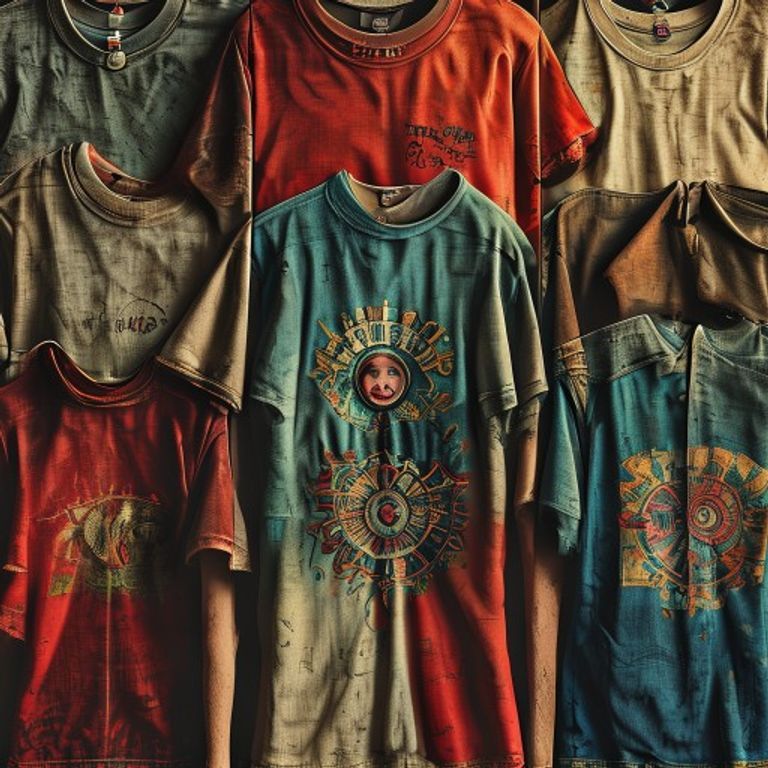
Condition is crucial, but for vintage tees, "flaws" can often be part of the appeal. It's about distinguishing desirable patina from critical damage.
The Good, The Bad, and The Patina
- Fading and Cracking (Often Desirable): Natural fading of the fabric and gentle cracking of the graphic are expected and often preferred in vintage tees. This "patina" indicates genuine age and wear. Distinguish this from artificial distressing on fakes.
- Holes and Tears:
- Pinholes: Small pinholes are common, especially on older, thinner cotton. A few well-placed pinholes don't always destroy value, but must be disclosed and photographed.
- Larger Holes/Rips: Significant holes (finger-sized or larger) or tears, especially in prominent areas, will drastically reduce value. Some collectors might mend them, but expect a lower price.
- Seam Separation: Check under the arms and along side seams. Minor separation can be mended, but major blowouts are a problem.
- Stains:
- Pit Stains: Yellowing or discoloration in the armpit area is common. Sometimes treatable, but often permanent. Disclose.
- Mystery Stains: Food, ink, rust, paint. Assess removability. Gentle treatments like OxiClean (diluted, patch test first!) can work, but aggressive cleaning can damage vintage fabric or graphic.
- Discoloration/Yellowing: General yellowing or storage stains can occur.
- Sun Fading: Uneven fading from sun exposure should be noted.
- Missing or Damaged Tags: A missing tag complicates authentication but doesn't necessarily devalue an otherwise obviously vintage piece. A torn or illegible tag is also common. Always mention its condition.
- Fit and Shrinkage: Vintage cotton often shrinks. Actual measurements (pit-to-pit and length) are far more important than the tag size (e.g., a "Large" could fit like a modern Small).
Actionable Advice: Always provide clear, well-lit photos of all flaws, no matter how minor. Transparency builds trust and prevents returns. If you attempt cleaning, use the gentlest methods possible and test on an inconspicuous area first.
Strategic Pricing for Maximum Profit
Pricing vintage band tees is an art and a science, blending historical data with current market trends.
The Power of eBay Sold Comps
Your primary tool for pricing is eBay's "Sold Items" filter in completed listings:
- Search Broadly: Start by searching for the band and "vintage t-shirt."
- Filter Results: Go to "Filter" and select "Sold Items."
- Analyze Comps:
- Look for exact matches: The same band, graphic, tag, and similar condition.
- Note prices for various sizes. Larger sizes (L, XL, XXL) generally command higher prices.
- Identify outliers: Don't just average. Understand why certain shirts sold for significantly more or less (e.g., rare variation, pristine condition, or a badly listed item).
- Check sale dates: Recent sales are more indicative of current market value.
Current Market Value & Trend Awareness
eBay comps are historical, but the market is dynamic:
- Follow Vintage Trends: Keep an eye on vintage fashion influencers, stylists, and major vintage dealers on Instagram, TikTok, and specialized forums.
- Explore Other Platforms: Check sold listings on Grailed, Depop, and even specialized vintage t-shirt websites. These can sometimes reflect a different segment of the market or higher-end sales.
- Band Popularity: A band's resurgence in popular culture (e.g., via a movie, documentary, or new album) can dramatically increase demand and prices for their vintage merch.
- Auction House Results: For truly exceptional, museum-quality pieces, monitor results from reputable vintage auction houses.
Factors Influencing Price
- Rarity: This is the #1 factor. A truly rare design in any condition will often outperform a common design in pristine condition.
- Condition: While rarity can sometimes trump condition, a well-preserved rare tee will always fetch more.
- Size: As mentioned, larger sizes (L, XL, XXL) are highly sought after by modern buyers. Very small sizes (S, XS) tend to sell for less unless exceptionally rare.
- Era: 80s and early 90s single-stitch tees are generally more valuable than late 90s/early 2000s shirts, though exceptions exist.
- Band Popularity & Icon Status: Iconic bands like Nirvana, Metallica, Iron Maiden, Grateful Dead, Pink Floyd consistently command high prices.
Best Platforms and Shipping Like a Pro
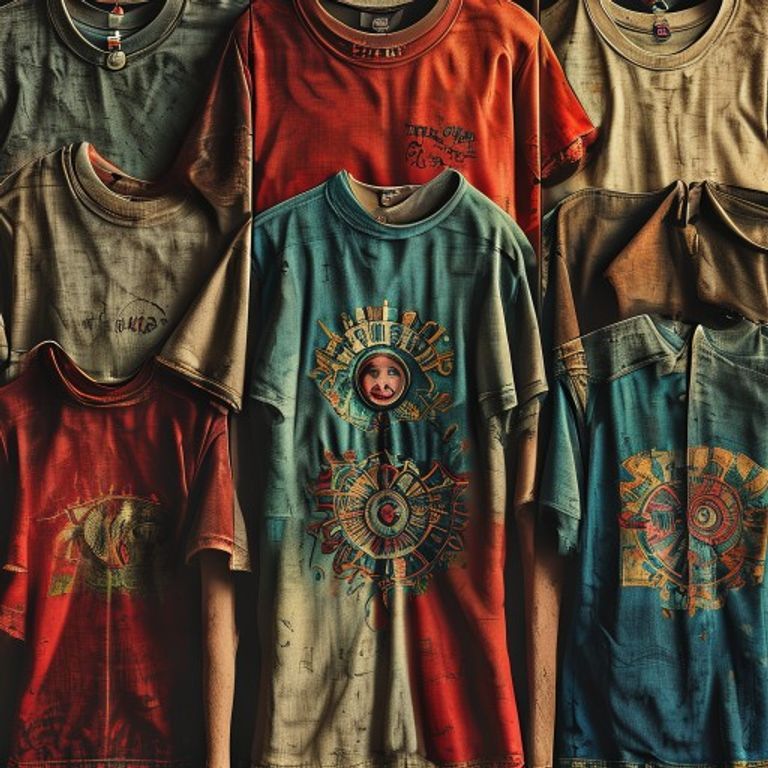
Once you've authenticated and priced your vintage gem, it's time to sell.
Where to Sell Your Vintage Band T-Shirts
- eBay: The undisputed king for vintage. Its vast reach, auction format (for rare items), and robust search functionality make it ideal for most vintage band tees, from mid-range to high-end.
- Grailed: A curated marketplace focusing on high-end men's vintage, streetwear, and designer items. Excellent for premium vintage band tees, but expect higher seller fees.
- Depop: Popular with a younger, fashion-forward demographic. Great for trendy vintage pieces and has a strong visual focus.
- Poshmark: Good for mid-range vintage clothing. It's more community-driven but might have less traffic for ultra-niche vintage band tees compared to eBay or Grailed.
- Etsy: While known for handmade goods, Etsy has a dedicated vintage section. It can be good for unique, art-focused vintage tees or if you're building a curated vintage shop.
- Instagram & Facebook Groups: Direct sales platforms where you can build a personal brand and community. Requires more effort for individual sales but offers higher profit margins due to no platform fees (beyond payment processing).
Photography is Key
Your photos are your storefront. High-quality images are non-negotiable:
- Lighting: Natural daylight is best. Avoid harsh shadows or direct sunlight that washes out details.
- Angles: Take photos of the front, back, tag (clear and legible!), close-ups of the graphic (especially cracks/texture), and any flaws (holes, stains).
- Presentation: Lay flat on a clean, neutral background, or use a mannequin/hanger. Ensure the shirt is wrinkle-free.
- Measurements: Include a photo of your tape measure showing pit-to-pit and length measurements.
Crafting Irresistible Listings
A compelling listing combines accurate information with persuasive language:
- Detailed Title: Use relevant keywords (e.g., "Vintage 1991 Metallica 'Black Album' T-Shirt Single Stitch XL Brockum Thrash Metal Band Tee").
- Comprehensive Description:
- Key Details: Band name, year (if known), specific tour/album art.
- Measurements: Provide precise pit-to-pit and length measurements. State the tag size, but emphasize actual fit.
- Material & Tag Info: 100% cotton, brand of tag, "Made in USA," single stitch, etc.
- Condition Report: Clearly list and describe all flaws, even minor ones. Refer to photos. Use terms like "beautifully faded," "distressed patina," to frame wear positively when appropriate.
- Authenticity: Explain why you believe it's authentic (e.g., "Confirmed single stitch on Brockum tag, graphic copyright 1991").
- Keywords & SEO: Think like a buyer. What would they type into the search bar? Use those terms throughout your title and description.
Shipping Your Precious Cargo
Proper packaging ensures your shirt arrives safely and professionally:
- Protection: For most vintage tees, a durable, tear-resistant poly mailer is sufficient. For extremely high-value items, consider placing the shirt inside a sealed plastic bag (to protect from moisture) within a small box, then inside a poly mailer.
- Shipping Services:
- USPS First Class Package: Your go-to for items under 1 lb, offering the best balance of cost and speed.
- USPS Priority Mail: For heavier items or if the buyer needs faster delivery.
- UPS/FedEx: Generally more expensive but can be useful for very high-value international shipments or if USPS is unreliable in certain regions.
- Tracking & Insurance: Always use tracking. For items above a certain value (e.g., $100-$200+), consider purchasing shipping insurance.
- International Shipping: Be prepared for customs forms. Clearly state that buyers are responsible for any import duties or customs fees. Use accurate item descriptions and values to avoid issues.
- Packaging Supplies: Ensure you have the right materials on hand.
- 📦 Buy Clear Garment Bags & Display Hangers on Amazon
Reselling vintage band t-shirts is a rewarding venture that blends passion for music and fashion with smart business practices. By mastering authentication, understanding market trends, accurately pricing, and executing flawless listings and shipping, you'll not only turn a profit but also help preserve and share wearable pieces of history. Happy hunting and happy selling!