The Ultimate Reseller's Guide to Discontinued Perfumes: Uncorking Hidden Fortunes

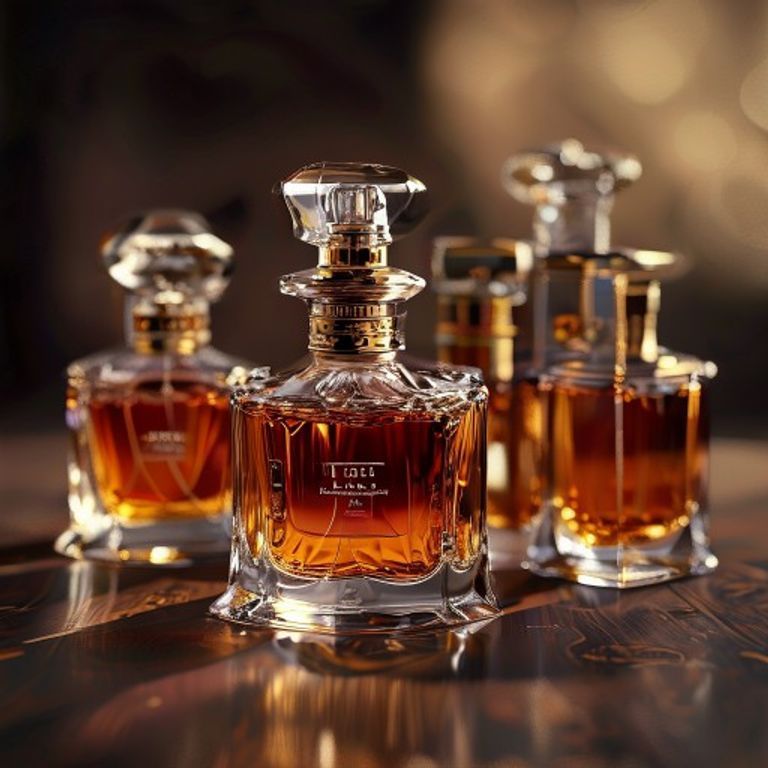
Welcome, fellow resellers and fragrance enthusiasts! If you've ever stumbled upon a forgotten bottle of perfume at a thrift store, estate sale, or even in your grandmother's vanity, you might be holding liquid gold. Discontinued perfumes are a vibrant, often high-profit niche in the e-commerce world, driven by nostalgia, rarity, and the undying desire for unique scents that are no longer mass-produced.
This comprehensive guide will equip you with the expert knowledge needed to identify, authenticate, price, and successfully sell discontinued perfumes, transforming them from dusty curiosities into coveted treasures for collectors and connoisseurs worldwide.
The Allure of Discontinued Perfumes: Why They Sell
The market for discontinued fragrances isn't just about utility; it's steeped in emotion, history, and exclusivity. Understanding this demand is key to successful reselling.
The Market for Nostalgia
For many, a particular scent is a powerful trigger for memories. Discontinued perfumes often transport buyers back to specific periods of their lives – a first love, a cherished childhood, a significant event. Buyers will pay a premium to reclaim these emotional connections.
Rarity and Exclusivity
Once a perfume is discontinued, its supply becomes finite. This scarcity naturally drives up demand and price, especially for highly sought-after or cult-favorite fragrances. Collectors are always on the hunt for rare bottles to complete their collections or to simply own a piece of fragrance history.
Unique Formulations
Reformulations are a common occurrence in the fragrance industry, often due to changes in regulations (like IFRA restrictions on certain ingredients), cost-cutting measures, or a desire to modernize a scent. This means the "original" formulation of a discontinued perfume can be vastly different and often superior in quality, longevity, or complexity compared to its modern-day counterpart (if one exists). This distinction makes the original formulation incredibly desirable.
Identifying Authentic & Valuable Discontinued Perfumes
The first and most critical step in reselling discontinued perfumes is ensuring authenticity and recognizing what makes a particular bottle valuable. The market is unfortunately rife with fakes and cleverly disguised "inspired by" fragrances.
Researching the Scent's History
Before you even think about listing, become a detective:
- Launch and Discontinuation Dates: Use resources like Fragrantica.com, Basenotes.net, and Parfumo.net to research the perfume's original launch date, any known reformulations, and when it was officially discontinued.
- Flankers: Many popular perfumes spawned "flankers" – variations of the original scent (e.g., Opium Eau de Parfum, Opium Eau de Toilette, Opium Pour Homme). Ensure you know the exact version you have.
- Key Identifiers: High-end brands like Chanel, Dior, Guerlain, and Hermes often have specific packaging nuances, bottle designs, or batch code formats that change over time. Familiarize yourself with these. Forums are excellent for this level of detail.
Authenticity Markers
This is where attention to detail pays off.
-
Packaging (If NIB - New In Box or Sealed):
- Cellophane Wrap: Genuine perfumes often have a tight, professionally applied cellophane wrap with neat seams. Sloppy wrapping, loose cellophane, or excessive tape are red flags.
- Box Quality: Authentic boxes are typically made of high-quality, sturdy cardstock with crisp printing, embossed logos, and consistent fonts. Fakes often use flimsy materials, blurry text, or incorrect fonts.
- Batch Codes: Look for a batch code (a series of letters and numbers) stamped or printed on the bottom of the box AND on the bottom of the bottle. These codes must match. You can often use online batch code checkers (though not foolproof, they provide a good first check) to determine the manufacturing date.
- Spelling and Logos: Obvious spelling errors or incorrect brand logos are immediate indicators of a fake.
-
Bottle Itself:
- Glass Quality: Authentic bottles are usually made of high-quality, thick, clear glass without bubbles or imperfections. Fakes might have thinner, cloudy, or irregular glass.
- Cap Fit: The cap should fit snugly and securely, often with a satisfying click or magnetic pull for luxury brands.
- Spray Mechanism: The atomizer should look robust and sit flush with the bottle neck. For previously used bottles, a test spray should produce a fine, even mist.
- Branding: Check for engraved logos, consistent labels, and proper placement. Stickers should be high quality and securely adhered.
- Serial/Batch Codes: Again, verify the code on the bottle matches the box.
-
Liquid Color and Scent Profile (Proceed with Caution):
- Color: While some vintage perfumes naturally amber or darken slightly over time due to oxidation, extreme discoloration (e.g., dark brown, green, murky) can indicate spoilage or a fake.
- Scent: If the item is sealed, DO NOT OPEN IT TO TEST THE SCENT. An unopened, sealed bottle commands the highest price. If it's an opened, used bottle, you can delicately sniff the sprayer. Look for off-notes like vinegar, metallic tang, or a strong alcohol smell without any underlying fragrance.
Valuable Variations & Flankers
Some discontinued versions are significantly more valuable than others:
- Pre-Reformulation Versions: These are often the holy grail for collectors. They represent the original, often richer and more complex, scent profile.
- Limited Editions & Special Releases: Perfumes released for a specific event, holiday, or in unique packaging can fetch high prices due to their inherent rarity.
- Concentrations: Pure Parfum (Extrait), Eau de Parfum (EDP), Eau de Toilette (EDT), and Eau de Cologne (EDC) all have different concentrations of fragrance oil. Pure Parfums are often the most valuable.
- Vintage Splash Bottles: Before atomizers became ubiquitous, many perfumes were sold as splash bottles. These can be very valuable, especially if unused or with high fill levels.
Condition Check: Uncorking the Truth
The condition of a discontinued perfume directly impacts its value and salability. Be meticulously honest and detailed in your assessment.
External Packaging Assessment
- Tears, Dents, Fading: Document any damage to the box. Even minor wear can deter some collectors.
- Intact Cellophane: Is the original cellophane wrap present and intact? This signifies a "New In Box Sealed" (NIB Sealed) item, the most valuable condition.
- Batch Code Matching: Double-check that the box's batch code matches the bottle's.
Bottle & Atomizer Integrity
- Scratches, Chips, Label Wear: Examine the glass for any damage. Check the label for fading, peeling, or scratches.
- Atomizer Functionality: If the bottle is open and used, gently test the atomizer (spray a tiny bit into the air or on a tissue if you intend to sell as used). It should spray a fine mist without leaking or sputtering.
- Leaking: Check the neck and base of the bottle for any signs of liquid residue, which indicates a leak.
The Liquid Itself
This is the most crucial part for used bottles.
- Color: As mentioned, some natural ambering is common, but extreme changes to dark brown, green, or murky suggest spoilage.
- Clarity: The liquid should be clear, without sediment or cloudiness. Sediment is a definitive sign of degradation.
- Fill Level: For used bottles, this is critical. Measure and photograph the exact fill level. A "full presentation" (bottle, box, cap, full liquid) is always best. Clearly state the percentage of liquid remaining (e.g., "90% full, 100ml bottle").
- Scent (Pre-opening): If you can detect any off-notes without opening the seal, note it. If it's sealed, assume the best but disclose that the scent has not been tested.
Factors Affecting Value
- NIB Sealed: Commands the highest price. Untouched, pristine.
- NIB (Unsealed Box): Box is open, but bottle is unused. Still very valuable.
- Used (High Fill Level): Often 80% or more remaining. Good value, especially for rare scents.
- Used (Partial): 50-80% remaining. Price accordingly, focusing on the rarity of the scent.
- Damaged/Low Fill: Only truly valuable for extremely rare or iconic bottles where even a small amount is coveted.
Mastering Pricing Strategies
Pricing correctly is an art. Too high, and it sits; too low, and you leave money on the table.
Leveraging eBay Sold Comps (The Gold Standard)
This is your most powerful tool.
- Filter "Sold Items" and "Completed Items": On eBay, search for your specific perfume, then use the filters on the left sidebar to select "Sold Items" and "Completed Items." This shows you what people have actually paid for the item.
- Compare Like-for-Like:
- Condition: NIB Sealed vs. NIB vs. Used (with similar fill level).
- Size: A 100ml bottle will command more than a 30ml.
- Concentration: EDP, EDT, Parfum.
- Packaging: Full presentation (box, cap) vs. bottle only.
- Recent Sales: Prioritize sales from the last 90 days, as market values can fluctuate. Look for consistent pricing trends.
Current Market Value & Demand
- Fragrantica/Basenotes Forums: Search for your perfume on these fragrance community sites. Read discussions about its rarity, desirability, and any known issues (like common spoilage). Enthusiasts there often hint at what they'd pay.
- Facebook Groups: Join dedicated vintage perfume or fragrance collector groups. Observe what people are looking for and what prices are discussed.
- Specialized Vintage Perfume Retailers: Sites that specialize in vintage perfumes might give you an idea of professional retail pricing, though your reseller price will likely be lower.
Calculating Your Profit Margin
Always factor in all costs:
- Acquisition Cost: What you paid for the item.
- Platform Fees: eBay (approx. 12-15%), Poshmark (20%), Mercari (10% + processing).
- Shipping Costs: Consider actual postage, insurance, and packaging materials.
- Time Investment: Research, listing, packing.
- Desired Profit: What's your target margin?
Pricing for Different Conditions
- NIB Sealed: Can be priced at the high end of sold comps.
- NIB (Unsealed Box): Slightly less than sealed, but still strong.
- Used (High Fill Level): Price based on the percentage remaining relative to sold comps for full bottles.
- Partial/Damaged: Price reflects rarity vs. usability. Be prepared for lower prices unless it's exceptionally rare.
Platforms & Shipping: Delivering Scented Treasures
You've found, authenticated, and priced your perfume. Now, let's get it sold and safely into the buyer's hands.
Best Platforms for Discontinued Perfumes
- eBay: The undisputed king for vintage and discontinued fragrances. Its global reach attracts serious collectors. Consider "Buy It Now" with "Best Offer" to allow for negotiation, or a 7-day auction for highly coveted, rare items.
- Mercari: A growing platform, slightly lower fees than eBay. It has a good user base for collectibles and unique items.
- Poshmark: While primarily fashion-focused, Poshmark has a thriving beauty section. It's better for designer fragrances that were discontinued more recently than true antique vintage. The 20% fee is higher, but their shipping is simple.
- Specialized Facebook Groups: Several private Facebook groups cater specifically to fragrance collectors, vintage perfume enthusiasts, or specific brands. Selling here can mean lower fees (if any) and a highly targeted audience. Be mindful of group rules regarding sales.
Crafting Compelling Listings
Your listing is your storefront. Make it shine!
- High-Quality Photos:
- Multiple angles of the bottle and box.
- Clear shots of batch codes on both bottle and box.
- A photo clearly showing the fill level for used bottles.
- Photos of any flaws (scratches, dents).
- Use good lighting and a clean background.
- Detailed Descriptions:
- Scent Notes: Research and include the original top, middle, and base notes (from Fragrantica, etc.).
- Condition: Be brutally honest. "NIB Sealed," "90% full," "small scratch on cap," "box has minor shelf wear."
- Authenticity Markers: Mention batch codes, bottle details, and any verification you've done.
- Bottle Size & Concentration: (e.g., "100ml Eau de Parfum").
- Discontinuation Status: Emphasize its rarity ("Rare, Discontinued Classic!").
- Keywords: Use relevant terms in your title and description: "Vintage," "Discontinued," "Rare," "Authentic," "Original Formulation," the brand name, and the specific fragrance name.
Safe & Legal Shipping Practices
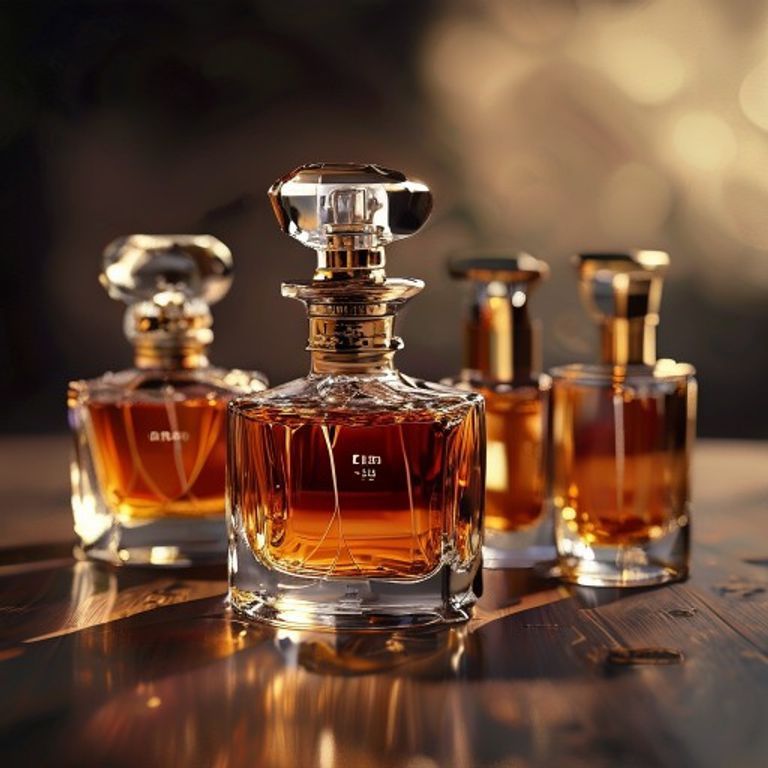
Shipping perfume requires special attention due to its flammability.
-
HAZMAT Considerations (USPS): Perfumes with high alcohol content are considered flammable liquids. For domestic US shipping via USPS, they must be shipped via Ground Advantage (surface transportation only) and properly marked. The maximum quantity per package is typically 1 gallon for domestic mail. You MUST indicate "ORM-D" (Consumer Commodity) or "Surface Mail Only" on the package. Never attempt to ship international via USPS for alcohol-based fragrances; it's generally prohibited. Other carriers like FedEx Ground or UPS Ground also have specific hazardous materials guidelines you must follow. Always check the latest regulations directly with your chosen carrier.
-
Packaging is Paramount:
- Leak-Proof: Even sealed bottles can leak under pressure. Wrap the bottle tightly in plastic wrap or place it inside a sealed Ziploc bag.
- Generous Cushioning: Wrap the bottle excessively in bubble wrap (several layers).
- Suspended Protection: Place the bubble-wrapped bottle inside a sturdy box, then fill any empty space with packing peanuts, crinkle paper, or more bubble wrap to prevent it from shifting.
- Double Boxing (for valuable items): For truly high-value or fragile items, consider placing the first box inside a slightly larger second box, with additional padding between them.
- Sturdy Box: Use a new, strong cardboard box appropriate for the weight and size.
-
Insurance: Always purchase shipping insurance for valuable perfumes. It's a small cost for peace of mind.
-
Labeling: Clearly label your package as "Ground Advantage" (for USPS) and add "ORM-D" if applicable. Some carriers require specific hazmat labels for commercial shipments, but for individual sellers, ground service is usually sufficient if marked correctly.
Selling discontinued perfumes is a fantastic way to tap into a passionate market, offering unique scents that bring joy and nostalgia to buyers. With careful authentication, honest condition reporting, strategic pricing, and secure shipping, you can build a highly profitable niche in your reselling business.
Before you go, here's a useful accessory for any serious perfume reseller, particularly if you're considering decanting samples or testing without excessive use of your valuable bottles: 📦 Buy Refillable Perfume Atomizer Bottles on Amazon
Happy hunting, and may your future finds be fragrant and fruitful!